
Reducing Total Cost of Ownership (TCO) for Industrial Gate Valves
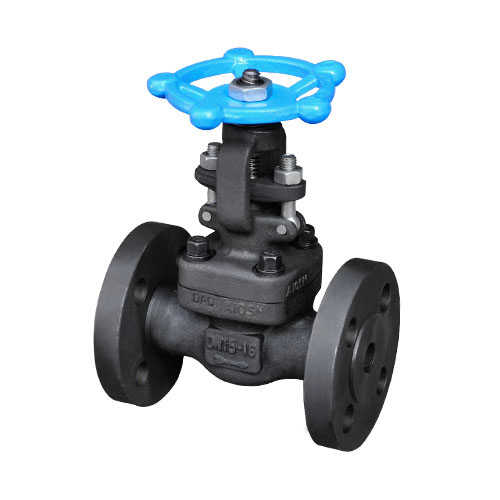
In industrial sectors such as mining and water treatment, gate valves are widely used as critical fluid control devices in applications requiring complete fluid shut-off or unimpeded flow. They provide a tight seal when closed and allow near-unobstructed fluid flow when open. However, the performance differences among different gate valves over long-term use significantly impact the total cost of ownership (TCO) of the system.
When selecting gate valves, focusing solely on the purchase price is insufficient to assess their economic viability. Actual costs include installation, maintenance, downtime losses due to malfunctions, and long-term expenditures such as replacement parts. Therefore, making decisions based on TCO helps achieve higher reliability and economic efficiency in long-term operation.
This article analyzes the key factors affecting the TCO of gate valves, explains how early, scientific selection can reduce long-term operating expenses, and explores how to identify gate valve products with lower TCO while ensuring performance and durability. This information can provide a reference for pipeline renovation or new project selection, helping to achieve a balance between operational stability and cost control.
What Exactly Is Total Cost of Ownership for Gate Valves?
TCO isn’t some fancy spreadsheet trick. It’s the full tab you pay from the day a gate valve hits your site until it retires. Sure, the purchase price grabs headlines—maybe $500 for a basic 6-inch model. But that’s just the appetizer. Add in installation, the endless cycle of maintenance, surprise repairs when corrosion bites, and the killer: downtime when things go south. Industry stats paint a stark picture: A single unplanned shutdown in a mid-sized refinery can burn $10,000 an hour, according to reports from process engineering groups.
Break it down simply. TCO = Initial Cost + Operating Costs + Maintenance + End-of-Life Disposal. For gate valves, operating costs creep up from leaks that waste energy or require constant tweaks. Maintenance? That’s seals wearing out every six months in abrasive slurries, or stems seizing from poor lubrication. And disposal? Hazardous materials mean pricey hazmat handling.
Here’s a quick table to size it up for a typical 8-inch gate valve in a wastewater setup:
| Cost Category | Estimated Annual Cost (USD) | Notes |
|---|---|---|
| Purchase & Install | $1,200 (one-time, amortized) | Includes fitting and testing. |
| Maintenance | $800 | Routine inspections and part swaps. |
| Repairs | $1,500 | Unplanned fixes from wear. |
| Downtime | $5,000 | Lost productivity per incident. |
| Total TCO (5 years) | $40,000 | Cumulative hit if issues pile up. |
Flip that script with a valve built for the long haul, and you’re looking at half those numbers. It’s not rocket science—it’s picking gear that matches your site’s real-world punishment.
Why TCO Matters More Than Ever in Tough Industries
Let’s get real. Global supply chains are jittery, energy prices swing wild, and regulations tighten like a vice on emissions and safety. In mining, where gate valves handle everything from tailings lines to dewatering pumps, a valve failure doesn’t just leak slurry—it risks environmental fines that sting for years. Take a copper mine in Arizona: A 2022 incident saw a faulty gate valve dump 50 tons of waste into a creek. Cleanup? Over $2 million, plus a year’s worth of bad press.
Water and wastewater pros face similar squeezes. With droughts hitting harder, plants can’t afford leaks that guzzle treated water—or worse, contaminate supplies. The U.S. EPA pegs annual water loss from faulty infrastructure at billions. Gate valves here act as gatekeepers in aeration tanks or sludge thickeners, where constant exposure to corrosives like chlorides chews through cheap models fast.
And in oil and gas pipelines? Forget it. Those lines stretch miles through deserts or seabeds, isolated from quick fixes. A valve that demands yearly overhauls? That’s a helicopter ride and a fat invoice waiting to happen. TCO-focused choices here mean valves that shrug off pressure spikes up to 1,500 psi without flinching, cutting intervention costs by 30% or more, based on field data from similar setups.
The bottom line? In an era where margins are razor-thin, ignoring TCO is like driving without brakes. It works until it doesn’t—and then it costs a fortune.
Key Factors That Drive Down TCO in Gate Valves
So, how do you pick a gate valve that fights back against costs? It’s about zeroing in on features that build in reliability from the jump. No fluff—just solid engineering that pays dividends.
Material Choices That Stand Up to the Abuse
Start with what it’s made of. Carbon steel might look cheap, but in a salty coastal pump station, it’ll rust out in two years flat. Switch to stainless 316 or duplex alloys, and you’re buying a decade of service. Real talk: In a Florida wastewater plant I heard about, swapping to corrosion-resistant bodies dropped seal replacements from quarterly to every other year. That’s $3,000 saved annually, easy.
For knife gate valves in mining slurries—think abrasive silica or lime—hardened overlays on seats and gates make all the difference. They resist erosion that turns smooth bores into Swiss cheese, keeping flow efficient and energy use low.
Design Tweaks for Fewer Headaches
Design isn’t just aesthetics. Rising stem versus non-rising? In tight spaces like underground vaults, non-rising keeps things compact and install-friendly, shaving hours off setup. Full-port bores minimize pressure drops, so pumps don’t strain—translating to 5-10% less electricity draw over time.
Seating matters too. Resilient seats that self-adjust under pressure seal tighter longer, nixing leaks that force constant monitoring. And bonnet seals? Double-packed ones handle thermal cycling in steam lines without popping, avoiding steam traps that bleed heat and cash.
Sizing and Standards That Fit Like a Glove
Oversize a valve, and you’re wasting metal. Undersize it, and turbulence wears it out quick. Match bore to pipe ID precisely, and you cut flow resistance. Compliance seals the deal: API 600 for pressure boundaries or MSS-SP-81 for knife gates mean fewer inspection headaches and smoother audits.
Bullet-point these must-haves:
-
Pressure Ratings: Aim for Class 150-2500 to cover surges without upgrades.
-
Temperature Tolerance: -50°F to 800°F for versatile spots like refineries.
-
End Connections: Flanged for easy swaps; welded for permanent lines.
-
Actuation Ready: Prep for electric or pneumatic add-ons to future-proof.
Get these right, and TCO plummets. A study from a process valve association showed valves with these traits averaging 25% lower lifecycle costs in abrasive services.
Maintenance Strategies to Keep TCO in Check
Even the toughest gate valve needs TLC. But smart routines turn maintenance from a drain into a shield. Forget the “set it and forget it” myth—proactive steps keep surprises at bay.
Start with baselines. Torque checks on packing glands every quarter catch looseness before leaks start. In a pulp mill slurry line, one operator’s habit of logging stem travel spots binding early, heading off full teardowns.
Lubrication’s your friend. Grease fittings on rising stems fend off galling in dry climates. Data from field logs: Sites that lube on schedule see 40% fewer stem failures.
For knife gates, flush protocols matter. Running clean water cycles post-slurry clears buildup, extending seat life by months. And training? Don’t skimp. A quick shop-floor session on visual inspections—cracks, pitting, play—pays back in spotted issues before they escalate.
Predictive tools amp it up. Vibration sensors on actuated models flag imbalances cheap and early. One power plant cut emergency calls by 60% this way, per their ops report.
Real-World Wins: Gate Valves Slashing Costs on the Ground
Numbers are nice, but stories stick. Consider a Midwest cement plant battling clinker dust in their cooling lines. Old gate valves jammed weekly, costing $15,000 in lost batches yearly. They brought in upgraded models with abrasion-resistant gates and self-cleaning seats. Result? Downtime dropped to one event per quarter, TCO fell 35% over three years.
Over in Australian mining, a tailings dam operator faced acidic overflows eating through valves. Switching to lined knife gates held up to pH 2 brews. Maintenance cycles stretched from six to 18 months, saving $50,000 in parts and labor. No spills, no fines—just steady flow.
These aren’t outliers. Across sectors, teams report 20-50% TCO cuts when they prioritize durable designs over bargain bins. It’s proof: The right gate valve doesn’t just close the gate. It opens the door to leaner ops.
Spotlight on Miwival: Your Go-To for Valves, Actuators, and Accessories
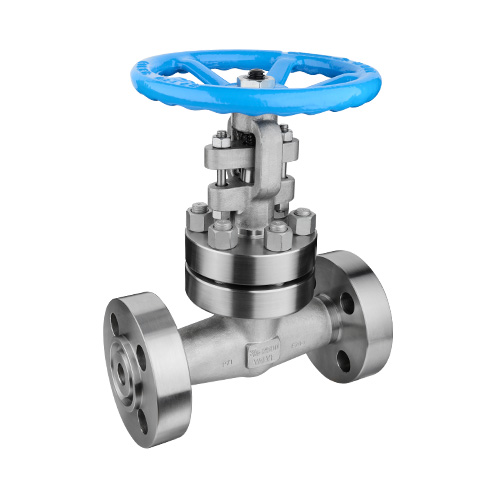
Before we wrap, a quick nod to a player making waves in flow control: Miwival. As a dedicated supplier of valves, actuators, and accessories, they’re all about one-stop reliability for folks in the trenches. Picture a lineup that covers isolation needs with gate valves built for mining slurries or wastewater grit—think knife gates that laugh off corrosives and pair seamlessly with pneumatic actuators for quick shuts.
What sets them apart? A laser focus on quality from raw stock to final test, plus stock on hand for two-week deliveries that beat the usual wait. Their gear hits the sweet spot: Tough enough for severe service, priced to keep budgets happy, and backed by 24/7 support from a team that knows flow tech inside out. Industries from power plants to palm oil mills lean on them for setups that cut operating headaches and boost uptime. If you’re hunting gate valves that trim TCO without the drama, Miwival’s worth a look—they’re wired for safer, smoother runs worldwide.
Wrapping It Up: Your Path to Smarter Gate Valve Choices
Reducing TCO for industrial gate valves boils down to seeing the full picture—beyond the invoice to the years of sweat equity. By honing in on materials that endure, designs that simplify life, and maintenance that stays ahead, you turn potential pitfalls into steady gains. Those cement plant wins or mining triumphs? They’re not luck. They’re choices that stack the deck for efficiency. Next time you’re eyeing a spec sheet, ask: Does this valve fight costs as hard as it fights flow? The answer could save you a bundle—and a few sleepless nights.
FAQs
What makes gate valves a smart pick for cutting TCO in high-abrasion setups like mining? Gate valves excel here because their straight-through design minimizes buildup, and when built with hardened overlays, they handle slurries without constant tweaks. Teams often see maintenance drop by 30%, keeping downtime—and costs—way down.
How can I figure out the real TCO for a new gate valve install? Start by tallying purchase, install, and five-year running costs like repairs and energy. Tools like simple spreadsheets help; factor in your site’s specifics, like slurry pH, to avoid surprises. It’s quicker than you think and spots hidden savings fast.
Are knife gate valves worth the switch for wastewater plants chasing lower TCO? Absolutely, if you’re dealing with thick sludges—they slice through cleanly and seal tight with less torque. In one treatment facility, the swap meant fewer clogs and 25% less on parts, proving they’re a no-brainer for reliability on a budget.
What’s one quick win for maintaining gate valves and trimming TCO? Regular packing checks. A loose gland leads to leaks that snowball into big fixes. Tighten quarterly, and you’ll dodge 40% of stem issues, based on plant logs—simple habit, huge payoff.
How do actuators pair with gate valves to boost overall TCO savings? They automate shuts, slashing manual labor and error risks. In remote pipelines, this means fewer site visits and quicker responses, often cutting operating costs by 20%. It’s like giving your valve a brain for smarter, cheaper runs.


 consult
 WHATSAPP
 leave message
 top
top