
Throttling with Confidence: How Flow Control Gates Manage Slurries Without Erosion
Picture this. It’s a sweltering afternoon at a mid-sized copper mine in Arizona. The slurry line runs thick with ore particles suspended in water. It hums along and feeds a flotation cell. That cell is the heart of daily production. But then, suddenly, the flow sputters. A valve downstream has worn thin. This happens from the relentless grind of abrasive solids. It forces an unplanned shutdown. Crews scramble around. They swap out parts. And hours tick away. All this costs the operation thousands in lost output. Stories like this aren’t rare in mining or wastewater treatment. They highlight a gritty reality. Slurries don’t just flow. They attack. That’s where flow control gates step in. They offer a way to throttle with confidence. And they keep erosion at bay.
In industries dealing with abrasive mixtures, getting flow right means more than just moving material from point A to B. It’s about doing it reliably. You avoid the headaches of premature wear or erratic performance. Flow control gates are built tough for these demands. Operators can dial in precise volumes. And they do it without sacrificing equipment life. This piece dives into how these gates tackle slurry challenges head-on. We draw from real-world setups and proven designs. We’ll break down the tech. We’ll cover the perks. And we’ll explain why they’re a smart pick for anyone wrestling with tough flows.
The Tough World of Slurry Handling
Slurries aren’t your average fluid. Think of them as a soupy blend of liquids and solids. You see ore in mining. Pulp shows up in paper mills. Or sewage appears in treatment plants. The solids are often sharp and heavy. They turn what should be smooth transport into a battle. It’s a fight against friction and impact.
Why Erosion Hits Hard
Erosion creeps in quietly. But it strikes fast. Particles slam against valve surfaces at high velocities. They gouge metal like sandpaper on wood. In a typical mining slurry line, it runs at 5-10% solids by weight. Speeds can top 10 feet per second. Over months, that adds up. A standard gate valve might lose 20-30% of its thickness in the first year. Industry reports from the Society for Mining, Metallurgy & Exploration back this up. Downtime follows. Pumps strain. Lines clog. And output dips.
Take that Arizona mine again. Back in 2018, operators there faced quarterly valve replacements on their tailings line. Each swap meant halting 500 tons of processed ore per hour. It racked up $50,000 in fixes and delays. The root cause? Uncontrolled throttling. It let solids scour the internals unchecked.
Beyond Erosion: Flow Instability
It’s not just wear. Poor throttling leads to surges. These are sudden spikes. They overload downstream gear. Or they starve processes of material. In wastewater ops, this can mess with settling tanks. It spikes chemical use by 15% or more. Steady control matters. And that’s the gap flow control gates fill.
Flow Control Gates: Built for the Grind
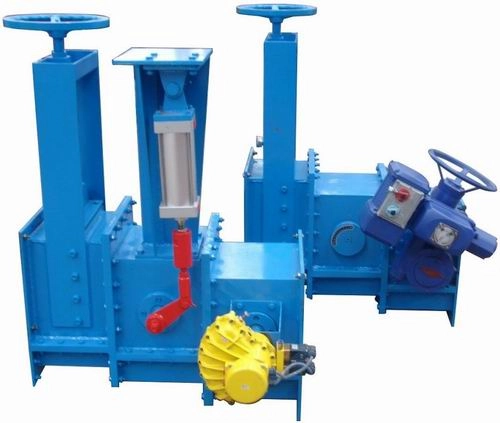
At their core, flow control gates are linear-motion valves. They’re tailored for bulk handling. Unlike globe valves, they don’t constrict flow through a narrow seat. Instead, these use a sliding gate. It meters discharge from bins, silos, or pipelines. The result is smoother throttling. There’s less turbulence. And crucially, surfaces shrug off slurry abuse.
Key Design Elements That Fight Erosion
What sets these gates apart is thoughtful engineering. Here’s a quick rundown.
-
Durable Body Construction: It’s fabricated from high-strength steel. Often, it has hardened overlays. This isn’t flimsy sheet metal. It’s welded plate. It withstands pressures up to 150 psi without flexing.
-
Replaceable Wear Parts: Liners and seats are made from abrasion-resistant alloys or elastomers. In slurry duty, these take the brunt. You swap them out in under an hour. No need to rebuild a whole valve.
-
Streamlined Flow Path: The gate slides parallel to the flow. This minimizes dead zones. Solids don’t build up there. No pockets for grit to hide and chew away.
For specs, consider a mid-range model. Sizes range from 8 to 32 inches. That’s B200-800 equivalents. It handles up to 1,000 tons per hour. Actuators come pneumatic or electric. They pair with positioners for 4-20mA feedback. This nails flow rates within 2% accuracy.
How They Throttle Without the Drama
Throttling here means gradual adjustment. It’s not slam-open affairs. The gate descends into the stream like a knife through butter. But it has feedback loops. These hold steady against pressure drops. In a slurry setup, this cuts velocity swings. Those swings amplify erosion. Data from field trials shows erosion rates dropping 40-60%. This comes from wear measurements over 12 months in coal slurry lines.
Real-World Wins: Slurry Management in Action
Let’s ground this in practice. Beyond the Arizona tale, consider a Midwest wastewater plant. They overhauled their digester feed system in 2022. Raw sewage slurry was loaded with grit from urban runoff. It had chewed through off-the-shelf valves every six months. Switching to flow control gates changed the game.
A Quick Case Snapshot
| Aspect | Before Gates | After Gates |
|---|---|---|
| Erosion Wear Rate | 0.5 mm/month on seats | 0.15 mm/month |
| Maintenance Cycles | Quarterly | Annually |
| Flow Accuracy | ±15% variance | ±3% |
| Downtime per Year | 120 hours | 24 hours |
| Cost Savings | N/A | $35,000 annually |
Engineers there reported longer life. But it was more than that. Ops got easier. Operators could tweak flows remotely. They did it via PLC integration. No more ladder climbs in steamy pits. Solids handling jumped from 200 gpm to 350 gpm. And they did it without added pumps. The gates’ low-pressure drop made that possible.
In mining, similar gains shine. A phosphate processor in Florida integrated these gates. They went into hydrocyclone underflow lines. The abrasive phosphate slurry had 40% solids. It hit 1.5 specific gravity. It used to pit valves in weeks. Now, with erosion-resistant liners, they’re logging 18 months between services. Production holds steady at 800 tons/hour. Energy use on slurry pumps fell 12%. This came from reduced backpressure.
These aren’t cherry-picked wins. They’re echoes of broader trends. The International Pump Users Symposium notes something key. Smart gate designs cut slurry system failures by over 50%. This happens in high-abrasion setups.
Maximizing Performance: Tips from the Field
Getting the most from flow control gates boils down to setup and care. Start with right-sizing. Match gate capacity to your max throughput. Say 1,200 tons/hour for a large bin discharge. Pair it with upstream screens. They filter out boulders that could jam the slide.
-
Actuator Choices: Go pneumatic for quick response. It’s great in automated lines. Electric works for precise, low-noise tweaks. Use that in plants near neighborhoods.
-
Monitoring Basics: Hook up vibration sensors on the gate stem. A spike often flags uneven slurry loads. It does this early. Before wear escalates.
-
Liner Maintenance: Inspect quarterly. If pitting shows, rotate spares. This keeps you ahead of leaks.
And don’t overlook integration. In a multi-stage slurry circuit, these gates sync with variable-speed drives on pumps. They smooth the whole chain.
Why Flow Control Gates Fit Your Operation
Stepping back, the appeal is clear. It’s reliability without compromise. You get confident throttling. Dial in 20% flow for startup. Ramp to full without a hitch. And erosion stays in check. That translates to fewer surprises. Output stays steadier. Budgets actually balance.
In numbers, it’s compelling. A gate’s lifecycle cost can run 30-50% lower. This is than alternatives in slurry service. It factors in parts and labor. Plus, the peace of mind? It’s priceless. Especially when your line feeds a $10 million mill.
Spotlight on Miwival: Your Go-To for Flow Control Gates
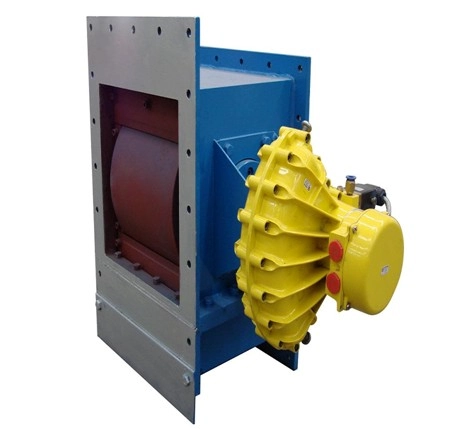
When it comes to sourcing flow control gates that stand up to slurry punishment, Miwival steps up as a dedicated supplier. With roots in industrial valve innovation, Miwival crafts these gates from the ground up. They use fabricated steel bodies. Actuators are customizable. And there’s a nod to ISO 9001 standards. This covers every weld and test. They’re not just selling hardware. They’re backing it with know-how. It comes from mining pipelines to wastewater flows. Sizes scale to your needs. Up to 1,000 tons/hour. And their designs prioritize that erosion-free edge. If you’re eyeing upgrades, Miwival’s team brings field-tested options. They go straight to your spec sheet.
Wrapping It Up: Steady Flows, Solid Results
Flow control gates aren’t flashy. But they deliver where it counts. They keep slurries moving smoothly. Erosion stays on the sidelines. And your operation hums along. From mine tailings to treatment tanks, they build in that throttling with confidence. You need it to hit targets day in, day out. It’s about choosing tools that match the job’s grit. And these gates do just that.
Frequently Asked Questions
What makes flow control gates ideal for throttling with confidence in slurry lines?
They use a sliding gate mechanism with precise actuators. This holds flow steady. It works even under variable pressures. So, it cuts turbulence. That speeds up erosion. You can adjust volumes from 10% to full capacity. And you do it without guesswork.
How do flow control gates manage slurries without erosion eating into downtime?
Durable steel bodies pair with replaceable liners. They take the hit from abrasive particles. Field data shows wear rates slashed by half. This stretches service intervals to a year or more. It works in tough setups like mining tailings.
Can flow control gates handle high-volume slurry transport, say over 500 tons per hour?
Absolutely. Models sized B200-800 push up to 1,000 tons/hour. They have low pressure drops. This eases pump loads. In a recent wastewater revamp, one plant bumped throughput 75%. And they did it without extra hardware.
What’s the edge of pneumatic actuators in flow control gates for slurry control?
They snap into position fast. Under two seconds for most strokes. It’s perfect for automated circuits. Feedback from 4-20mA positioners keeps things dialed in. So, you get throttling with confidence. Even amid slurry surges.
How often should I check erosion on flow control gates in abrasive service?
Quarterly visuals work for most. But add ultrasonic thickness checks every six months. Do this if solids top 20%. Early spots on liners mean quick swaps. Not full shutdowns.


 consult
 WHATSAPP
 leave message
 top
top