Top 7 Valve Failures in Wastewater Treatment Plants—and How to Prevent Them
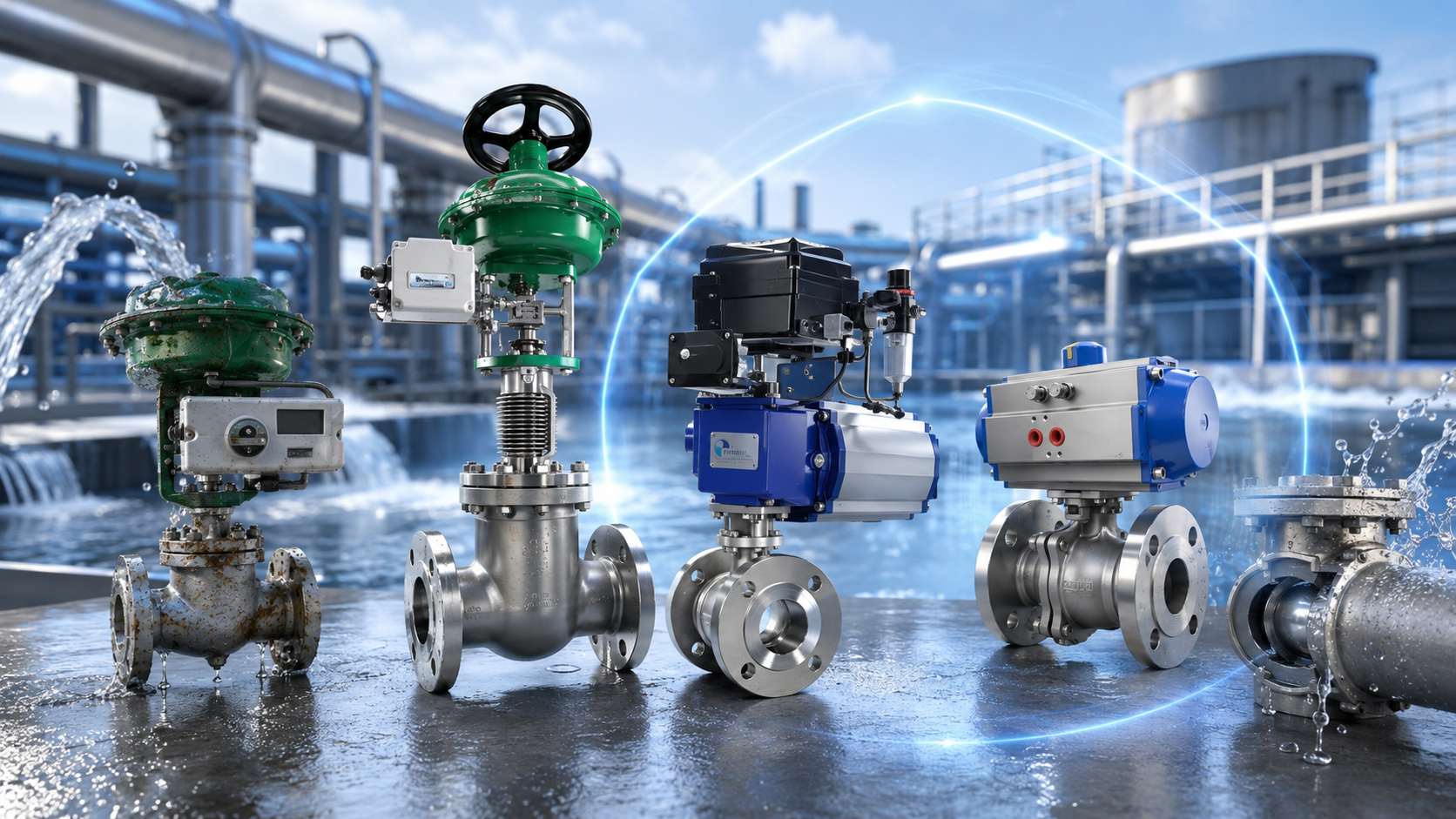
The use of valves within the plant ensures that fluids flow through the plant smoothly, are isolated when necessary, and are regulated at different stages. Valve failure may cause the operations to stop, add to maintenance activities and incur additional costs for replacement. To the operator of the plant, the engineer, and those responsible for procurement, choosing the appropriate wastewater valve is just a starting point.
What are the most common valve failures in wastewater treatment plants?
Wastewater environments create demanding conditions for valve operation. Suspended solids, corrosive media, frequent cycling, and improper selection can all contribute to performance problems.
How does leakage become a common wastewater valve failure?
One of the problems most often taken into account while checking valves is leakage. This problem can be caused by worn-out parts of a seal, damage to the sealing surfaces by foreign objects, and unsuitable valves for a particular application.
In wastewater treatment facilities, leakage may be both internal and external. Internal leakage happens when the valve cannot properly prevent the flow of liquid after being shut off, whereas external leakage can appear from the sealing areas like the stem.
To avoid the risks of leakage, buyers need to consider the following:
|
Factor |
Why It Matters |
|
Valve type |
Different valves suit different flow conditions |
|
Sealing material |
Needs compatibility with the working medium |
|
Operating frequency |
Affects wear over time |
|
Installation accuracy |
Influences sealing performance |
|
Maintenance schedule |
Helps identify problems early |
A valve that performs well in clean water service may not provide the same reliability in wastewater applications with solids or aggressive media.
Why can valve corrosion affect service life?
However, the presence of certain substances in the wastewater may cause corrosion to occur faster due to the operating parameters. If the material used for the valves is not compatible with the environment, corrosion will occur in the strength of the body, sealing surface, and interior of the valve.
In selecting material for use, it is important to note the nature of the wastewater, the temperature, chemicals, and the operating parameters. Selecting the material based on cost alone may result in more maintenance.
How do valve selection mistakes lead to maintenance problems?
Many valve problems begin before installation. Selecting a valve without considering the actual application can create performance issues that appear after the system starts operating.
What happens when the wrong valve type is selected?
Different valve designs serve different purposes. Some valves are better suited for isolation, while others are designed for flow regulation.
For wastewater treatment systems, buyers should consider:
- Required flow control method;
- Presence of suspended particles;
- Pressure conditions;
- Operation frequency;
- Maintenance accessibility.
A mismatch between valve design and application may result in faster wear, difficult operation, or reduced service life.
How does incorrect sizing affect valve performance?
Valve sizing is critical for assessing the performance of the device. Valve sizing mistakes can lead to pressure drop, flow instability, or even wearing down.
Normally engineers will consider the demands of the system prior to choosing that specific type of valve like the rate of flow, pressure, connection size, and environment of operation.
Valve sizing does not only involve picking a valve with equal diameter to the pipe.
Why do valve sealing and actuator problems occur?
img.High Performance Butterfly Valve.webp
Sealing and actuation systems are important parts of valve reliability. Problems in these areas may prevent valves from operating correctly.
What causes sealing failures in wastewater valves?
There can be many causes for seal failures including incorrect sealing materials, incorrect surface finish, poor installation, and foreign material trapped in between seals.
The sealing systems required for wastewater applications depend upon the characteristics of the fluid used. Chemicals, temperature, and pressure are among the characteristics that may influence material selection.
Inspection helps in recognizing early stages of damage.
How can actuator problems affect valve operation?
Automated valves depend on actuators to open, close, or adjust according to system requirements. Actuator issues may prevent the valve from reaching the required position.
Common causes include:
- Incorrect actuator selection;
- Insufficient operating force;
- Poor connection between valve and actuator;
- Lack of maintenance.
When selecting automated valves, buyers should confirm compatibility between the valve body and actuator system.
How can poor installation and maintenance cause valve failure?
Even a properly selected valve may experience problems if installation or maintenance procedures are not handled correctly.
What installation mistakes should engineers avoid?
Installation details can influence valve performance. Common concerns include incorrect alignment, unsuitable mounting conditions, damaged sealing surfaces, and improper connection methods.
Before commissioning, technicians should confirm that:
- The valve matches the pipeline requirements;
- Connections are properly installed;
- Operating direction is correct;
- Moving parts function normally.
Careful installation helps reduce avoidable failures during operation.
How does preventive maintenance reduce valve problems?
Maintenance planning allows operators to identify wear, corrosion, and operational issues before they become major failures.
A practical maintenance program may include checking:
|
Inspection Item |
Purpose |
|
Leakage condition |
Identify sealing problems |
|
Valve operation |
Confirm opening and closing function |
|
External condition |
Detect corrosion or damage |
|
Connection points |
Check installation stability |
|
Actuator performance |
Confirm control response |
The maintenance interval depends on operating conditions, valve type, and system requirements.
How should buyers select a suitable wastewater valve supplier?
img.Gate Valve.webp
Supplier selection affects not only product quality but also technical support, documentation, and long-term cooperation.
What technical information should buyers request?
Before purchasing, buyers should confirm important product details, including:
- Valve type and application;
- Material specifications;
- Pressure and temperature range;
- Connection standards;
- Sealing materials;
- Maintenance requirements.
Clear technical communication helps prevent selecting a valve that does not match the system.
Why does supplier support matter after purchase?
Support for industrial valves does not finish after delivery. Buyers might need help concerning installation problems, replacement parts, maintenance issues, or even additional purchasing.
A supplier who is familiar with the needs of the application can give better suggestions during the selection process.
How can Miwival support wastewater valve selection and application needs?
The Miwival Company offers valve products and solutions to its customers who need industrial valves. The company assists customers through product selection, technical communication, and application discussion according to their needs. In the case of wastewater treatment projects, collaboration can include discussion on valve specification, working condition, installation, and delivery. However, customers must compare other aspects such as documentation, product suitability, price, delivery, and services before choosing a valve company.
Conclusion
The problem with failures in valves used at wastewater treatment plants arises out of various factors which have something to do with selection, installation, operating and maintaining the valves. Various aspects need to be considered when selecting valves for wastewater treatment plants. Proper inspection and maintenance would help in preventing such problems. It is necessary that proper product and company capabilities are used for product selection. Proper solutions can only be selected based on the operating environment of the valves.
FAQs
1. What causes valve failure in wastewater treatment plants?
Common causes include leakage, corrosion, incorrect valve selection, sealing problems, actuator issues, improper installation, and insufficient maintenance.
2. How do I choose the right wastewater valve?
Buyers should consider the wastewater characteristics, flow conditions, pressure requirements, valve material, sealing system, and maintenance needs before selecting a valve.
3. Why do wastewater valves need corrosion-resistant materials?
Wastewater environments may contain substances that affect valve components over time. Suitable materials can help reduce corrosion-related maintenance issues.
4. How often should wastewater valves be maintained?
Maintenance frequency depends on valve type, operating conditions, usage frequency, and system requirements. Regular inspection helps identify problems before failure occurs.
5. What should I ask a valve supplier before purchasing?
Buyers should confirm valve specifications, material details, application suitability, testing information, delivery conditions, and technical support.


 consult
 WHATSAPP
 leave message
 top
top