
Triple Offset Butterfly Valve vs Double Offset Butterfly Valve: Key Differences for Industrial Applications
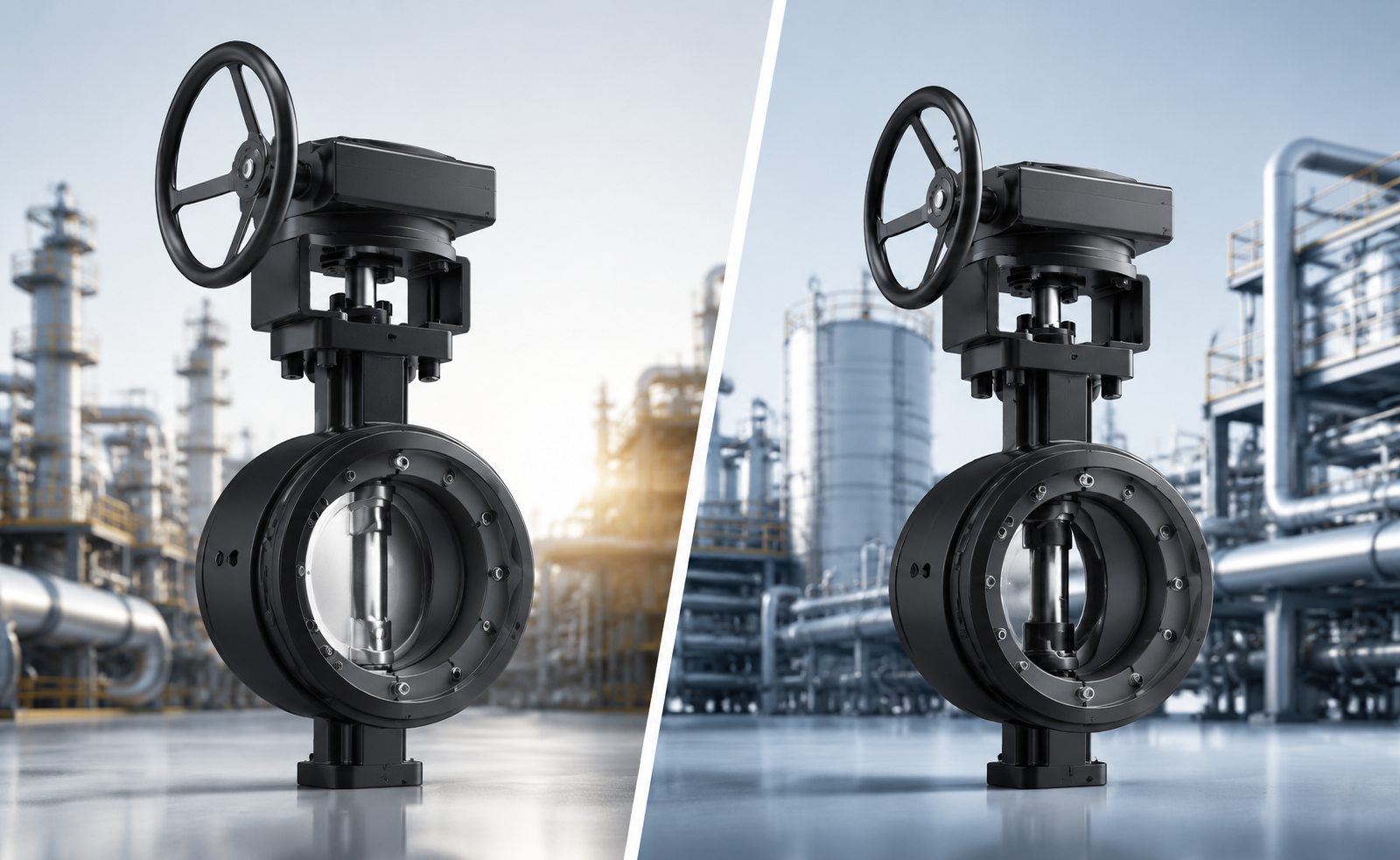
When choosing between a triple offset butterfly valve and its double offset counterpart, few will have to make the decision based on superior complexity. Rather, it is a matter of operating pressures, temperatures, media, shutoff requirements, the frequency of operation, actuator torque, and maintenance considerations. The two variants share some common ground in terms of reduced seating surface wear, but each achieves it in a different manner. Thus, when considering which type to purchase for a specific application, it is best to evaluate the sealing options and their materials rather than going for a generic high-performance solution.
How Do Double Offset and Triple Offset Butterfly Valves Differ Mechanically?
The distinction comes from the relationship between the shaft, disc centerline, valve body, and sealing surface. Those offsets change how quickly the disc separates from the seat and whether the seal rubs during most of the stroke.
What Happens in a Double Offset Design?
A double offset butterfly valve has the shaft located beyond the disc’s sealing plane to counteract the moment created by the pressure. Its disc is lifted off the valve seat sooner than the one in a concentric design which minimizes sliding contact thus making it ideal for high-pressure applications and frequent cycling.
Double offset valves are typically equipped with a resilient seat made of a deformable polymer such as an elastomer or PTFE. The seat is usually compression fitted against the disc to achieve shutoff. However, its temperature, chemical resistance, and compressibility determine its application.
What Does the Third Offset Change?
A triple offset butterfly valve adds a conical seating geometry. The disc seal and body seat meet through a cam-like motion, with contact concentrated near the closed position.The design allows avoiding contact between sealing surfaces during most of a valve’s movement.
This feature enables triple offset globe valves to be used in more demanding applications including high-temperature, erosive, or fire-safe services where soft seats are unsuitable. Tightness is achieved through the metal-to-metal contact, and the fabrication process becomes more important to ensure that angles and concentricity are correct.
Which Valve Performs Better Under Pressure, Temperature, and Cycling?
Neither valve is superior across every operating condition. The duty profile should be reviewed as a combination of pressure, temperature, medium, cycle frequency, and required leakage class.
When Is a Double Offset Valve the Practical Choice?
Double offset valves are commonly used in water, cooling systems, compressed air, utilities, and many industrial liquid services. Their resilient seats can provide reliable isolation with moderate operating torque.
They are often attractive where the temperature remains within the seat material’s range and the media will not swell, harden, or chemically attack the seat. Frequent cycling can be acceptable when alignment and actuator sizing are correct, although seat wear still needs monitoring.
When Does a Triple Offset Valve Add Value?
Triple offset valves are worth considering for steam, thermal oil, hydrocarbons, hot gas, cryogenic service, or other conditions where metal seating and low friction are important. They may also suit lines that require fire-safe construction or reduced seat degradation at elevated temperature.
The trade-off is cost and precision. A metal-seated valve may require tighter manufacturing control, more careful installation, and a larger actuator margin. It should not be selected merely because the specification sounds more demanding.
How Should Buyers Match Materials and Sealing Systems to the Media?
Valve geometry does not replace material compatibility. Body, disc, shaft, seat, seal ring, packing, bearings, and fasteners must all suit the process fluid and operating temperature.
Which Seat Materials Matter in Double Offset Valves?
EPDM may suit many water and low-temperature utility services, while NBR can be considered for oils within its compatibility range. PTFE or reinforced PTFE may extend chemical and temperature capability, but pressure, cold flow, and cycling still require review.
Buyers should state the exact medium, concentration, temperature, solids content, cleaning chemicals, and upset conditions. “Water service” is not enough when the line contains chlorine, suspended grit, or chemical dosing.
Which Sealing Details Matter in Triple Offset Valves?
Triple offset designs may use a laminated seal ring made from metal and graphite or a solid metal sealing arrangement. The selection affects leakage, temperature capability, corrosion resistance, and repair methods.
Inspect the seal ring material, body seat overlay, disc material, shaft alloy, packing, and bearing design. In corrosive service, an unsuitable trim can fail even when the body material appears acceptable. For erosive media, disc edge and seat protection deserve particular attention.
What Failure Risks and Inspection Points Should Be Controlled?
Butterfly valve failures often begin with misalignment, incorrect actuator settings, unsuitable seat materials, or pipeline loads. A valve may pass a bench test yet leak after installation if the body is distorted between flanges.
Which Installation Errors Cause Leakage or High Torque?
Common causes include uneven flange tightening, incorrect gasket dimensions, pipe misalignment, debris at the seat, excessive actuator travel, and insufficient clearance for the disc. Welding near an installed valve can also damage seals or distort the body.
The disc should move freely before commissioning. Supports should prevent pipe weight from loading the valve. Gearboxes and actuators need calibrated open and closed stops so the disc reaches the intended position without overdriving the seal.
Which Tests Should Buyers Request?
Pressure and seat leakage tests should match the approved specification and valve direction where applicable. Functional checks should confirm smooth travel, operating torque, position indication, limit switches, and actuator response.
Inspection should also cover dimensions, flange drilling, face-to-face length, coating, material identification, seat condition, shaft movement, packing, and fastener control. For triple offset valves, seal-ring flatness, seating geometry, and contact pattern deserve additional review.
How Should Procurement Teams Compare Valve Suppliers?
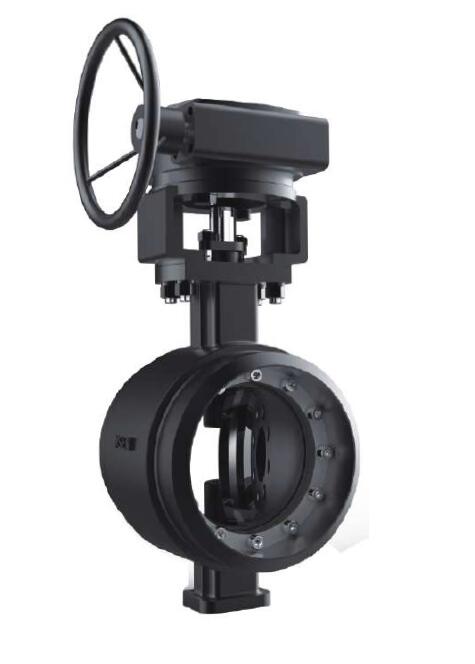
A useful quotation should make the proposed valve configuration unambiguous. Terms such as “high-performance butterfly valve” can refer to different designs, seat systems, and pressure classes.
What Technical Information Should Be Included?
Request valve type, size, pressure class, body style, body to body face to face dimenstions, materials of construction for body and trim, seating or sealing surface construction, shaft design, leakage requirements, temperature range, flow direction, actuation requirements, and applicable inspection plan.
The supplier should be asked to indicate if the valve is bidirectional or if pressure and torque ratings change with flow direction. Drawings should show disc clearance, shaft arrangement, mounting interface, and overall dimensions.
What Commercial Controls Reduce Repeat-Order Risk?
Approve drawings, bills of materials, test procedures, actuator sizing, coating systems, and nameplate information before production. Changes to seat compounds, seal rings, bearings, shafts, castings, or actuator models should require notice.
Spare seats, seal rings, packing, bearings, and gearbox parts should be available for the expected service period. Buyers should also define documentation, inspection witness points, packaging, storage protection, warranty handling, and replacement procedures.
How Can a Valve Supplier Support Double and Triple Offset Projects?
Miwival supplies valves for industrial flow-control applications. Project inquiries should include line size, pressure class, medium, concentration, temperature, operating frequency, flow direction, shutoff requirement, body style, material preference, and actuator type. Technical review should confirm seat or seal construction, shaft and bearing design, torque, flange standard, face-to-face dimension, leakage criteria, and testing. Quotations should include the approved configuration, accessories, documentation, inspection, lead time, packing, and spares. Before any production, the buyer will approve the drawings, material list, actuator sizes, test specifications, coating, nameplate, and change-control requirements, and retained records are necessary for receiving inspection and order comparisons.
Conclusion
The triple offset butterfly valve versus double offset butterfly has to depend on the service conditions. In general, the double offset butterfly valves can be preferred in various utility and process services, which require resilient seats, reduced torque, and frequent operation. On the other hand, the triple offset valves are more suitable for high-performance applications, which need metal-seated, high-temperature, low-friction, or highly reliable shutoff. The buyer has to consider several factors, such as materials, pressure-temperature ratings, leakage, actuators, installation, test, and maintenance requirements, spares availability, and so on, for the given valve specification during the approval.
FAQs
1. Is a Triple Offset Butterfly Valve Always Better Than a Double Offset Valve?
No. Triple offset construction suits demanding temperature and metal-seated applications, while double offset valves may offer lower cost, lower torque, and practical tight shutoff in compatible services.
2. Can a Double Offset Butterfly Valve Be Used for Steam?
It depends on steam temperature, pressure, seat material, cycling, and leakage requirements. Buyers should verify the seat’s published limits and evaluate upset conditions before selection.
3. Why Does a Triple Offset Butterfly Valve Need Precise Manufacturing?
Its seal relies on controlled shaft offsets and conical seating geometry. Errors in machining, alignment, or seal-ring flatness can create uneven contact, higher torque, and leakage.
4. What Information Is Needed to Size the Valve Actuator?
Provide valve size, pressure differential, media, temperature, operating speed, cycle frequency, fail position, safety factor, supply pressure, and seating or unseating torque requirements at the stated supply pressure.
5. What Should Buyers Inspect Before Accepting Butterfly Valves?
Check materials, dimensions, seat or seal condition, shaft movement, coating, leakage testing, operating torque, actuator function, nameplates, documentation, packaging, and conformity with the approved drawing.


 consult
 WHATSAPP
 leave message
 top
top