
Vacuum Relief Valves in Storage Tanks: Working Principle, Applications and Maintenance
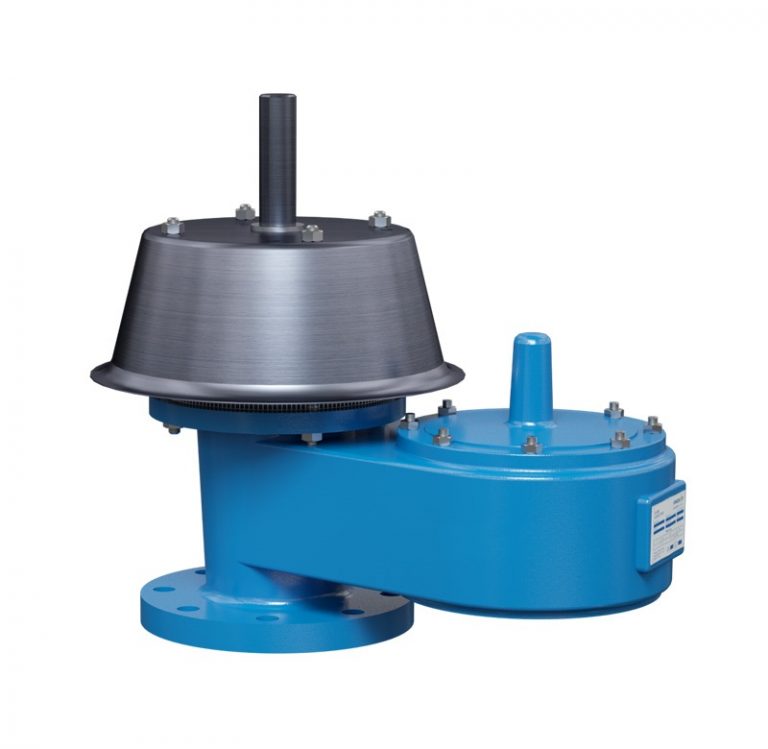
Storage tanks are usually built to run at or near normal atmospheric pressure. However, pressure levels inside a tank can shift fast when operators fill, empty, heat, or cool the vessel. If too much vacuum builds up, the tank shell or roof might bend. In the worst cases, the entire structure can collapse. A vacuum relief valve offers a safe, managed route for air or gas to flow into the tank. This happens whenever the internal pressure drops below a set limit. When set up right, this device acts as a vital piece for tank safety, smooth process runs, and secure storage tasks.
What Is a Vacuum Relief Valve and Why Does a Storage Tank Need One?
A vacuum relief valve serves as a safety tool. Workers usually mount it on top of a fixed-roof atmospheric storage tank. Its main job is to stop harmful negative pressure. It does this by letting the tank draw in air or another proper gas when needed. Miwival also points out that people often call pressure/vacuum valves breather valves. This name fits well because these devices let a storage tank “breathe” while interior conditions shift.
A few different working situations can build up a vacuum inside a tank.
Liquid Withdrawal
When pumps pull liquid out of a tank, the fluid level drops. As a result, the vapor space above the liquid grows larger. If enough makeup gas fails to enter, the pressure in that vapor space can fall below normal air pressure. A well-chosen vacuum relief valve will open up before this negative pressure hits a harmful point.
Thermal Contraction
Shifts in outside weather can also change tank pressure. A sudden drop in temperature might make the vapor inside the tank shrink. This shrinking creates a partial vacuum, even if nobody is moving any liquid. Because of this, tank venting rules must look at both daily fluid transfers and weather-driven temperature shifts.
How Does a Vacuum Relief Valve Work?
The working concept relies on the pressure gap between the inside of the tank and the outside air. During standard daily use, the valve stays shut. This closed state helps block unwanted air from getting in. It also cuts down on dirt entry and stops useless vapor loss.
The working cycle breaks down into three simple steps.
Normal Closed Position
When the tank pressure stays inside a safe working zone, the valve pallet, disc, or sealing part rests firmly on its seat. The force keeping it shut might come from the heavy weight of the pallet itself. Alternatively, a spring or another tuned mechanism might hold it down, depending on the exact valve style.
Opening Under Vacuum
As fluid leaves the tank or as trapped vapor shrinks, the internal pressure starts to drop. Once this vacuum hits the valve’s exact opening setpoint, outside air pushes hard against the valve parts. This outside force beats the internal closing force. Then, the valve pops open. This action lets fresh air or a specific backup gas flow inside.
Miwival highlights this same tank-breathing idea. As the liquid level goes down, the pressure in the vapor space can drop below normal room pressure. When this happens, a steady flow of incoming air becomes necessary. This fresh air shields the tank from caving in on itself.
Reseating After Pressure Recovery
As the fresh air or gas fixes the pressure balance, the pressure gap across the valve gets smaller. The moving valve part then drops back onto its seat. A solid, tight seal is vital here. If a valve stays slightly open, it can cause bad vapor leaks. It might also let dirt or moisture sneak into the tank.
Where Are Vacuum Relief Valves Commonly Used?
Vacuum relief valves matter a lot for low-pressure storage vessels. These tanks often deal with shifting liquid levels or changing vapor temperatures. The specific valve setup must always fit the stored product. It also needs to match the tank shape, daily working habits, and strict plant safety rules.
Common uses include the areas listed below.
Fixed-Roof Atmospheric Storage Tanks
These tanks stand out as a top spot for vacuum relief tools. Fast pump-out tasks can quickly grow the vapor space. This rapid growth creates a negative pressure zone. A steady supply of replacement air or gas is the only way to stop this issue.
Chemical and Petrochemical Storage
Chemical storage setups often demand very strict pressure control. The stored liquids might be highly reactive, rust-causing, or weak against outside dirt. Because of this, the valve body and its soft seals must work well with the liquid inside. They must also hold up against the local weather outside.
Tanks with Nitrogen Blanketing
Vacuum safety devices can also run right next to a nitrogen blanketing system. Miwival’s technical guides explain tank blanketing clearly. They describe it as a setup that holds pressure steady by feeding inert gas into the vapor zone. The guides also point out that breather valves often act as a key piece of this total tank safety package.
What Should Be Considered When Selecting a Vacuum Relief Valve?
Picking out the right valve takes more effort than just matching the pipe size. The chosen valve must let in plenty of air or gas. At the same time, it must open at a vacuum point that stays safely inside the tank’s legal pressure borders.
A few key details require close focus.
Vacuum Setting and Required Capacity
The opening setpoint needs to line up with the tank’s built-in vacuum limit. The total venting speed must also match the fastest possible liquid pumping rate. It should account for major weather changes, too. A valve that is too small might not let gas in fast enough when pressure drops in a flash.
Materials and Process Compatibility
The body, seat, soft seals, and inner parts must fit the stored chemical perfectly. They also need to handle the daily heat, rust risks, and outdoor weather. Miwival offers both carbon steel and stainless steel body choices across its vacuum relief valve lineup.
Size and Connection
The valve joint must fit the tank opening and the nearby pipes. Miwival’s main vacuum relief valve product page shows sizes ranging from 2 to 12 inches. Buyers can pick flange styles like EN 1092-1 and ASME B16.5 Class 150. Even so, engineers should base the final size choice on real tank working facts, not just on the opening width.
How Should Vacuum Relief Valves Be Maintained?
A vacuum relief valve might sit closed for many months. Still, it must work perfectly the moment a vacuum event strikes. Because of this, regular checkups matter a great deal. Plant teams should do these checks even if the tank shows no clear signs of trouble.
A smart upkeep plan should target the areas listed below.
Inspect and Clean the Valve
Workers should look over the valve body and weather hood on a set schedule. They must check the air path, pallet, seat, and all moving parts. Dirt, sticky chemicals, rust flakes, bugs, or winter ice can block movement. These items can easily ruin the valve’s ability to flow enough air.
Check the Seat and Moving Parts
Maintenance staff must check the sealing faces for rust, hard dirt, heavy wear, or deep scratches. The pallet or disc needs to slide up easily. It must also drop back down to its flat seat without sticking. If soft seals look damaged, workers should swap them out. They must use fresh parts that match the original liquid and heat limits.
Verify the Opening Setting
The exact point where the valve pops open must stay true to the tank’s safety rules. Repair crews should never just guess and add extra weights. They must avoid swapping springs or tweaking inner parts without a guide. Doing these things will blindly shift the vital vacuum setpoint.
Keep Maintenance Records
Plant teams need to write down all checkup dates and cleaning tasks. They should log test scores, swapped parts, and any odd sounds or sights. Keeping good history files makes life easier later. These logs help spot recurring dirt buildup, fast rust, slow leaks, or drops in valve speed.
Why Can Miwival Be a Reliable Partner for Tank Valve Solutions?
Finding the right valve also relies on getting good technical help. Buyers need support with product sizing, strict quality checks, and extra flow-control gear.
A Valve and Automation Supplier for Industrial Applications
Miwival provides valves and smart automation tools for many heavy industries. These fields include chemical plants, water treatment sites, power stations, and mining camps. They also serve paper mills and food factories. The company heavily promotes its high quality, fast shipping, and helpful service. They also focus on clear metal tracking, deep inspections, and strict pressure tests.
For big storage-tank jobs, Miwival can supply vacuum relief valves right alongside other needed valves and control gear. This broad range helps buyers build a smooth, unified pipe system. It keeps the whole buying process simple and direct.
Conclusion
Vacuum relief valves do a simple yet vital job. They let a storage tank pull in air or gas before terrible negative pressure ruins the metal walls. Getting the size right and picking the best metals matters a lot. Setting the vacuum point correctly, installing the unit well, and keeping up with cleaning all lead to safe daily runs. For tanks that face constant pumping or wild weather shifts, a well-picked vacuum relief valve acts as a core piece of the total safety plan.
FAQs
1. What is the difference between a vacuum relief valve and a pressure relief valve?
A vacuum relief valve guards a tank from harmful negative pressure. It does this by letting fresh gas flow inside. On the other hand, a pressure relief valve fights off dangerous positive pressure. It works by letting trapped gas or vapor vent out. Some special storage-tank breather valves pack both of these safety features into a single metal unit.
2. Where should a vacuum relief valve be installed on a storage tank?
Workers usually bolt it onto a proper pipe opening at or near the very top of a fixed-roof storage tank. This high spot lets the valve touch the inner vapor space directly. Miwival clearly notes that vacuum relief valves sit on top of fixed-roof atmospheric storage tanks for this exact reason.
3. How often should a vacuum relief valve be inspected?
The right checkup schedule depends on the liquid inside and the daily working pace. It also relies on local dirt levels, rust threats, weather trends, and plant safety rules. Valves placed in filthy, highly acidic, or very busy spots need much closer watching. No matter what time gap a plant chooses, the valve must stay clean and loose. It needs to keep its exact setpoint and seal up tightly after every single use.


 consult
 WHATSAPP
 leave message
 top
top