
What is a Segment Ball Valve and How Does It Solve Tough Flow Control Problems in Heavy Industries
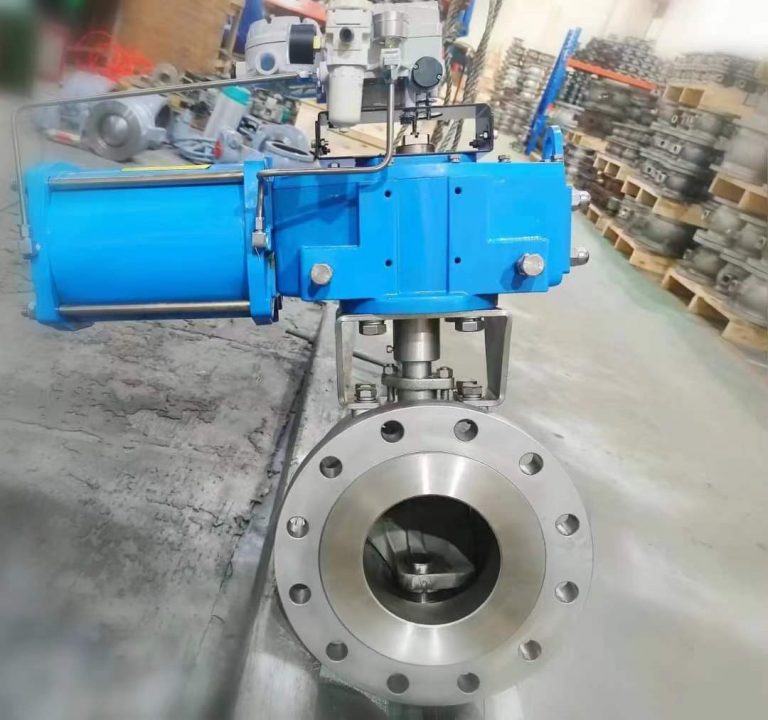
Heavy industries frequently encounter challenging media in their processes. This includes thick slurries containing solids in mining operations, fibrous pulp in paper production, and wastewater loaded with particles. Conventional valves often struggle with such fluids. They experience rapid wear, frequent blockages, or inadequate flow regulation. These issues lead to increased downtime, higher maintenance costs, and potential operational risks.
That’s where a segment ball valve shines. It’s built different—a partial ball with a V-shaped notch that turns to throttle flow. It shears through fibers and solids cleanly. No plugging. Precise control from a drip to full blast. Plants in pulp and paper, mining, chemicals, and wastewater swear by them for good reason.
What Exactly Is a Segment Ball Valve?
Picture a ball valve, but smarter. Instead of a full round ball with a hole, you’ve got a segment—kind of a pie slice—of ball material. Often with a V-notch cut into it. As it rotates 90 degrees, that notch opens or closes the path gradually.
Why this setup? It gives an equal-percentage flow curve. Fine tweaks at low openings. Wider control higher up. Rangeability hits 300:1 in good designs. Way better than basic balls or butterflies for modulation.
The body is usually one-piece. No leaks from joints. Bearings top and bottom keep torque low. You can pair it with smaller actuators. Saves on air or power.
Common sizes run from a few inches up to bigger ones for pipelines. Pressure classes like 150 or 300. Materials? Tough stuff—advanced stainless or duplex for corrosion and wear.
Common Problems in Heavy Industry Flow Control
Slurries and pulps don’t play nice. Fibers tangle. Particles grind away seats. Viscosity changes with concentration.
Typical headaches:
- Clogging: Fibrous stuff builds up in cavities or behind discs.
- Erosion: Hard bits sandblast internals, especially at partial openings.
- Poor low-flow control: Standard valves lose accuracy below 20-30% open.
- High torque needs: Thick media demands big actuators, more cost.
- Dewatering: In pulps, water separates, solids pack tight.
Real example from a paper mill: Old butterfly valves on stock lines plugged weekly during high-consistency runs. Crews spent hours clearing them. Production dipped. Switching to segment balls cut that drama big time.
In mining, slurry pumps feed lines with rock-laden muck. Abrasion chews through seats quick. One operation reported seat life tripling after the change.
How Segment Ball Valves Tackle These Issues
The design fights back smart.
Shearing Action
That V-notch slices through fibers as it closes. No hanging strands to bridge the seat. Keeps things clean.
No Dead Spots
Smooth path inside. Self-draining often. Solids don’t settle or trap.
Wear Resistance
Hard materials or coatings on ball and seat. Handles particles without pitting fast.
Precise Throttling
Equal percentage characteristic. Great for varying loads, like digester feeds or thickener underflows.
Low Torque
Supported segment means less force to move. Even with sticky media.
|
Issue |
Traditional Valves (e.g., Globe/Butterfly) |
Segment Ball Valve Advantage |
|
Fibrous Clogging |
High—cavities trap material |
Low—shearing cuts fibers clean |
|
Abrasive Wear |
Fast erosion on seats/discs |
Extended life with hard trims |
|
Low-Flow Control |
Inaccurate below 20% |
Precise down to tiny openings |
|
Torque Requirements |
Higher for thick media |
Lower—easier actuation |
|
Rangeability |
Often 50:1 or less |
Up to 300:1 |
Real-World Applications in Tough Industries
These valves show up everywhere grit rules.
Pulp and Paper
Handling medium-consistency pulp—8-19% solids. Controls flow to screens, cleaners, or bleach stages. One mill cut chemical use 5-8% with steadier dosing.
Mining and Minerals
Slurry transport, dewatering, tailings lines. Pumps stations to terminals. Resists rocks and sand.
Wastewater Treatment
Sludge lines with rags or grit. Throttles digester feeds without blocking.
Chemicals and Power
Viscous mixes or abrasive catalysts. Even steam with condensate.
A wastewater plant swapped out failing globes on sludge transfer. Maintenance dropped noticeably. Uptime climbed.
Why Choose Segment Ball Over Other Types?
Globe valves throttle well but hate solids—jam easy, wear quick. Butterflies are cheap and big-flow but poor at low openings, torque spikes with thickness.
Segment balls blend the best: Quarter-turn quickness, high capacity, slurry toughness.
Lighter than globes. Cheaper long-term. Often half the price for similar duty.
About Miwival: Your Trusted Valves, Actuators, and Accessories Supplier
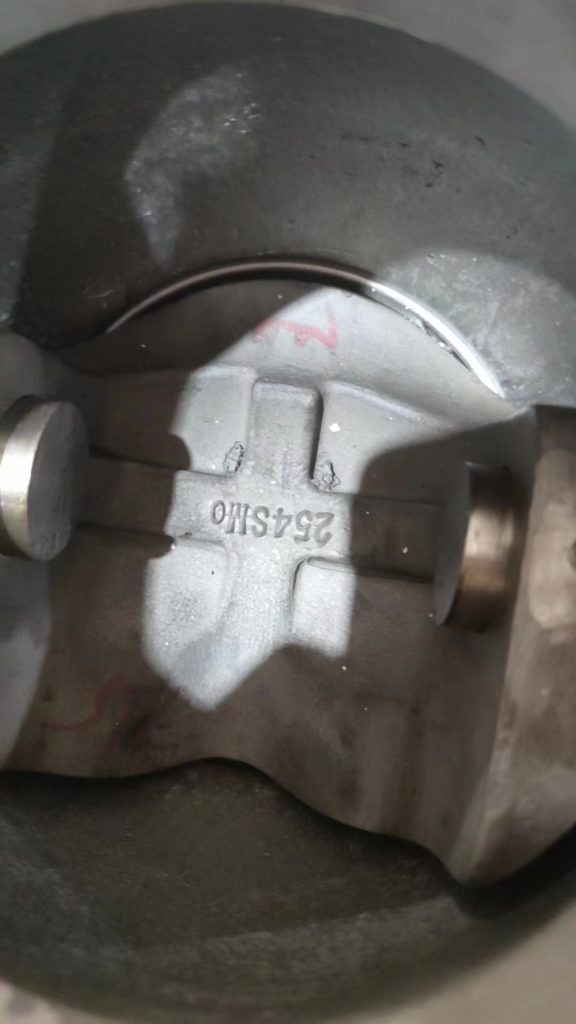
Miwival has earned a strong name as a dependable go-to for valves, actuators, and accessories in flow control. They put quality first—from raw stock to final product. Serving pulp and paper, mining, power, chemicals, wastewater, and more. Their lineup includes rugged segment ball valves tailored for severe service, plus automation gear that boosts safety and cuts costs. Fast stock, two-week delivery, and sharp tech support make them a solid choice for demanding jobs worldwide.
Conclusion
Effective flow control in heavy industries need not involve ongoing struggles with blockages, erosion, or imprecise regulation. A well-designed segment ball valve offers a practical solution. It handles difficult media reliably, extends service intervals in abrasive environments, and delivers accurate flow adjustment. Facilities benefit from reduced interruptions, decreased maintenance expenses, and more stable operations. Engineering and operations personnel gain greater confidence in system performance, contributing to overall productivity and cost management.
Frequently Asked Questions
What makes a segment ball valve good for pulp and fibrous slurries?
The V-notch shears fibers as it moves. No buildup or bridging. Handles 8-19% consistency pulp smoothly, even at low flows.
How does a segment ball valve hold up in mining slurries?
Tough materials and coatings fight erosion from particles. Low dead zones prevent settling. Many ops report longer seat life in tailings or dewatering lines.
Why pick a segment ball valve over a globe for abrasive service?
Globes jam on solids and wear fast. Segment balls offer better rangeability, shearing action, and lower torque—all while costing less over time.
Can segment ball valves handle wastewater with solids?
Yeah, they throttle sludge or grit-laden flows without plugging. Self-cleaning design keeps seats clear.
What’s the typical rangeability for a segment ball valve?
Often 300:1 or better. Gives precise control from trickle to full open, perfect for varying process loads.


 consult
 WHATSAPP
 leave message
 top
top