
What is a Self-Regulating Valve? How It Automates Pressure & Temperature Control
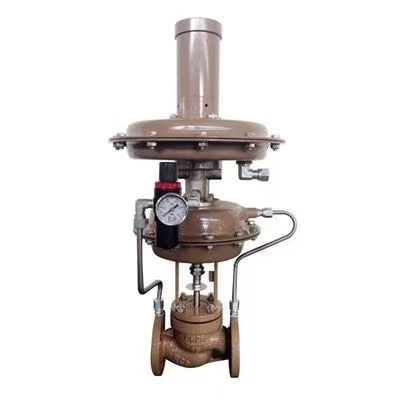
In the world of industrial fluid systems, keeping things steady isn’t just nice—it’s vital. Picture a busy chemical plant. Steam lines twist through the machinery there. Or think of a water treatment facility. Tanks need to hold just the right pressure. That way, they avoid spills or bursts. That’s where a self-regulating valve comes in. These smart devices manage the ups and downs of pressure and temperature all by themselves. They don’t need constant human adjustments or extra power sources. If you’re an engineer fixing a tricky pipeline, or a plant manager looking to reduce downtime, grasping these valves could shift how you handle flow control. Let’s break down what makes them work. We’ll cover why they count. And we’ll see how they keep your operations running smooth.
The Basics: What Exactly Is a Self-Regulating Valve?
At its core, a self-regulating valve is a kind of control valve. It adjusts itself based on the conditions it detects. No electricity is required. No compressed air either. Just straightforward mechanical know-how. Unlike manual valves that call for non-stop watching, or even electronic ones that can fail during a power drop, these operate solo. They pick up shifts in pressure or temperature. Then they react fast. This keeps balance in the system.
Recall a moment when you faced a pressure spike in a steam header. Old-school setups might need an operator to step in. That risks uneven results or even a full stop. A self-regulating valve? It simply deals with it. It’s made with diaphragms, springs, and pilots that respond to fluid forces. So it tweaks flow up or down as required. For pressure, it cuts high inlet levels to a firm outlet point. This holds true even if demand jumps. For temperature, certain models link in heat-sensing parts. They adjust steam or hot water supplies. That prevents things like heating coils from getting too hot or falling short.
These valves stand out in places where dependability beats fancy setups. Take a medium refinery in Texas. Operators there once spent hours tracking pressure wobbles in nitrogen blanketing lines. They switched to self-regulating models. That dropped those issues by 40%. Field notes from like sites show this. It’s not some trick—it’s basic physics taking the load.
How Self-Regulating Valves Work: The Mechanics Behind the Automation
Peeking inside shows why these valves seem so responsive. The automation stems from a feedback loop. It’s basic yet spot-on. Fluid pressure presses on a sensing part, like a diaphragm. That part then shifts a connected setup to open or close the valve seat. No sensors. No wires. Just direct action.
Pressure Control in Action
Pressure handling is the main gig here. A standard direct-acting self-regulating valve shows this well. Inlet pressure works on a spring-loaded piston. If upstream pressure rises—maybe from a pump speeding up—the piston moves. It narrows the flow route until things even out. Downstream remains solid at your target. That could be 50 psi in a water line. Or 300 kPa in a gas blanketing system.
Pilot-operated types step it up for larger flows. A tiny pilot valve checks the outlet. It then cues the main valve through a control line. In one petrochemical plant, from talks in the field, this managed 500 gpm changes without trouble. It kept outlet pressure within ±1 psi. Specs usually cover DN20 to DN100 sizes. Ratings go up to PN64. Materials like stainless steel or bronze fight off rust.
Proof shows the accuracy. In blanketing system trials, these valves stick to set pressures. Think 1 kPa for inert gas addition. That stops evaporation losses. Those could hit 5-10% in tanks without protection.
Integrating Temperature Control
Temperature handling adds to that base. Some self-regulating valves mix pressure pilots with heat bulbs. Those bulbs hold fluids that grow with warmth. As heat climbs in a steam line, the bulb stretches. It eases the valve to let in cooling water or slow hot flow. This fits smooth for desuperheating. There, superheated steam gets cooled to shield downstream turbines.
Picture a sugar mill working cane juice. Too much heat might burn the product. That could spoil batches worth thousands. A self-regulating desuperheater valve spots steam temps up to 500°F. It adds just enough water to bring it to a 300°F target. Operators note response times below 5 seconds. That trims energy loss by 15% over hand sprays. Parts like cage-guided plugs spread flow even. So no hot patches form.
Key Components That Drive Performance
What builds a self-regulating valve strong for rough spots? It’s the solid construction. Here’s a fast look:
| Component | Role in Automation | Common Materials & Specs |
|---|---|---|
| Diaphragm | Senses pressure changes; flexes to signal adjustments | NBR or EPDM rubber; rated -20°F to 300°F |
| Spring | Sets the control point; balances forces | Stainless steel; adjustable tension up to 800 kPa |
| Pilot Valve | Amplifies small signals for main valve action | Bronze or SS body; DN15-DN80 sizes |
| Seat & Plug | Throttles flow precisely | Cage-guided SS; quick-open characteristics |
| Body | Houses everything; withstands system pressures | Carbon steel or SS; PN16-PN64 flanges |
These elements team up. Often, add-ons like breather valves boost safety in tank jobs. To guard against breakdowns? Non-destructive testing (NDT) and pressure tests at 1.5x the rating catch any leaks early.
Real-World Applications: Where Self-Regulating Valves Make a Difference
No valve stays in a test room. In oil and gas, they watch over pipelines. They auto-tune to manage 1,000 psi jumps from fracking work. No waste of key product. One driller on the Gulf Coast cut service calls by 30% after adding them to wellhead lines. Fewer visits mean safer workers.
Water and wastewater plants count on them for tank level checks. Float-style PRVs stop reservoirs from spilling in storms. They dial inlet pressure down to 20 psi outlets. At a California treatment spot, this blocked 200,000 gallons of daily overflow. It saved on penalties and fixes.
Food and beverage spots? Breweries use them for exact steam pressure. That holds fermentation at 68°F. A self-regulating valve in the heat loop shifts for load changes during busy brews. Batches stay uniform. Pharma plants apply them for clean blanketing. They keep inert gas at 1.5 kPa. This guards sensitive mixes from air damage. One slip could trash a $100K batch.
Chemical work raises the bar. Pilot-operated regulators in reactor supplies hold two-stage pressure cuts. Say from 400 kPa to 100 kPa. They add temp checks to dodge wild reactions. Trade numbers say these lift uptime to 98%. That’s better than 85% for less flexible gear.
Power plants join in. In boiler feed lines, they cool steam to save turbines. Spherical pistons take shocks for flows to 1,000 tons/hour. A Midwest power outfit saw 20% less heat wear after updates. Gear lasted years longer.
Advantages: Why Self-Regulating Beats the Alternatives
Compare it to pneumatic or electric valves. The perks stack high. First, no outside power means blackouts don’t leave you stuck. That’s huge for far-off sites like ocean rigs. Upkeep? Just a spring nudge. Not wiring hunts.
On cost, they’re 20-30% less to start for mid sizes. Supplier marks show that. Payback comes in under a year. Thanks to power cuts. Field data gives MTBF over 50,000 hours. That’s way past solenoid types that burn coils.
For the planet, they trim leaks and emissions. Tight seats meet API 598 rules. Safety? Breather links stop blasts in risky tanks. Setpoints like -0.8 kPa in-breath avoid crushes.
True, they skip remote checks of smart valves. But for main jobs, that plain style is power. An engineer at a fertilizer site told how trading to self-regulators halved his crew’s extra hours. No more late-night pressure chases.
Spotlight on Miwival: Your Trusted Partner in Self-Regulating Solutions
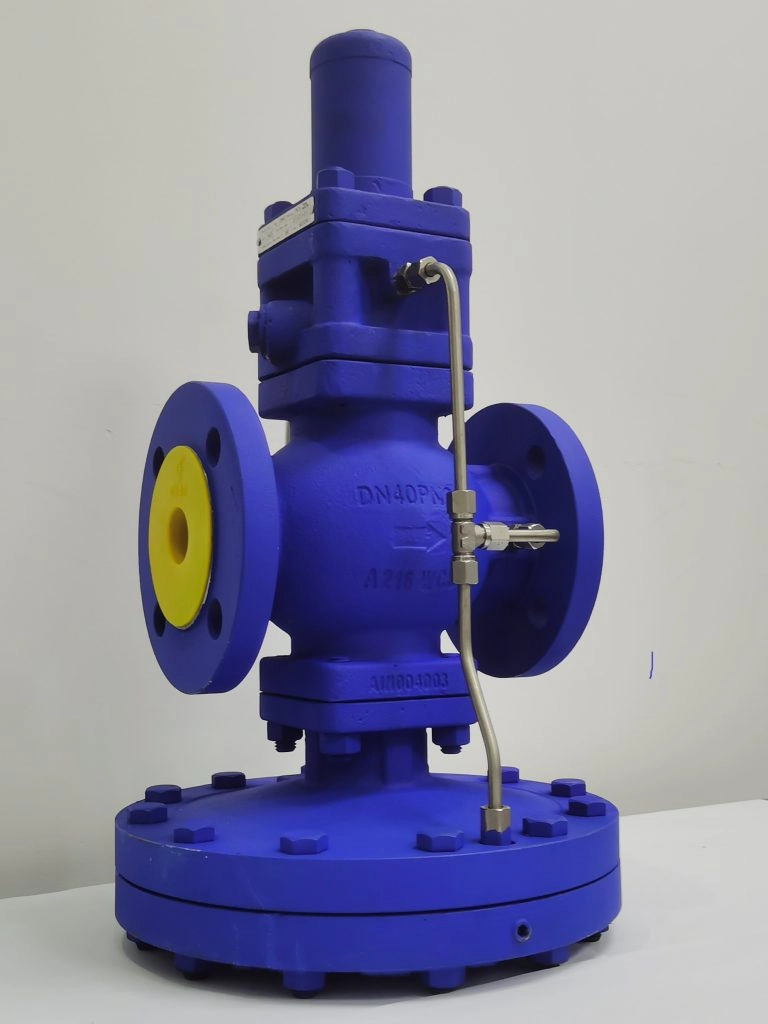
When sourcing self-regulating valves that hold up day after day, Miwival shines as a solid pick. Started by a group of valve vets in Zhejiang, China, the firm grew from one factory to worldwide reach. That includes sites in Mexico and bigger plants in Anhui for control valve work. Through the years, they’ve nailed steps like ISO 9001 approval. And tough tests—from chem checks on castings to end pressure runs. All that supports their line: “Valves & Automation for a Safer World.”
Miwival’s range, with pilot-operated pressure regulators and direct-acting PRVs, fits the tough pull of fields like petrochemicals and power. Made with stainless steel insides and diaphragm drivers that take -20°F cold or 500°F hot, these valves handle pressure and temp with sharp aim. Picture ±0.01 MPa steadiness in steam runs. Their quality checks hit every mark: NDT looks, PMI scans, even box reviews to skip ship bumps. It’s this close work, shaped by staff growth and buyer input, that lets Miwival ship ready stock with real care. If you’re set for an upgrade, their know-how turns likely pains into easy wins.
Wrapping It Up: Steady Flows, Smarter Operations
Self-regulating valves aren’t mere parts. They’re the low-key stars keeping industrial cores pulsing even. By handling pressure and temperature without hassle, they let your team focus on big ideas. Not fixes. Whether calming steam in a mill or shielding a reactor, these tools show smart builds bring real gains. In reliability, cuts, and guards. Next time your setup tosses a twist, keep in mind: the best valve doesn’t just meet it. It stays ahead.
Frequently Asked Questions
What is a self-regulating valve, and how does it automate pressure control?
A self-regulating valve is a mechanical device that adjusts flow based on sensed conditions, without needing external power. For pressure automation, it uses a diaphragm or pilot to detect outlet changes and throttle the main valve, holding steady levels like 100 psi even amid demand swings—perfect for tank blanketing where nitrogen feeds kick in at 1 kPa.
How does a self-regulating valve handle temperature alongside pressure?
It integrates thermal elements, like expanding bulbs, to link temp sensing with valve action. In steam desuperheating, for instance, rising heat opens a water spray path, cooling flows to 300°F setpoints in seconds, all while maintaining pressure balance to protect downstream gear.
What industries benefit most from self-regulating valves for automation?
Sectors like oil and gas see huge gains in pipeline stability, while food processing uses them for precise heating in brew kettles. Water treatment facilities rely on them to prevent overflows, cutting incidents by up to 40% in real setups.
Can self-regulating valves replace electronic ones in high-stakes applications?
Absolutely, especially where power reliability is iffy. Their direct mechanical response offers MTBF over 50,000 hours, outperforming electrics in remote or volatile spots like offshore rigs, with no wiring vulnerabilities.
How do you select the right self-regulating valve for temperature and pressure needs?
Start with your flow rates and setpoints—DN50 for 500 gpm, say—then match materials to media, like SS for corrosives. Pilot-operated models shine for larger scales, ensuring ±1 psi accuracy in apps from pharma blanketing to power boilers.


 consult
 WHATSAPP
 leave message
 top
top