
What Makes Cryogenic Ball Valves Reliable in LNG Storage and Transfer Systems
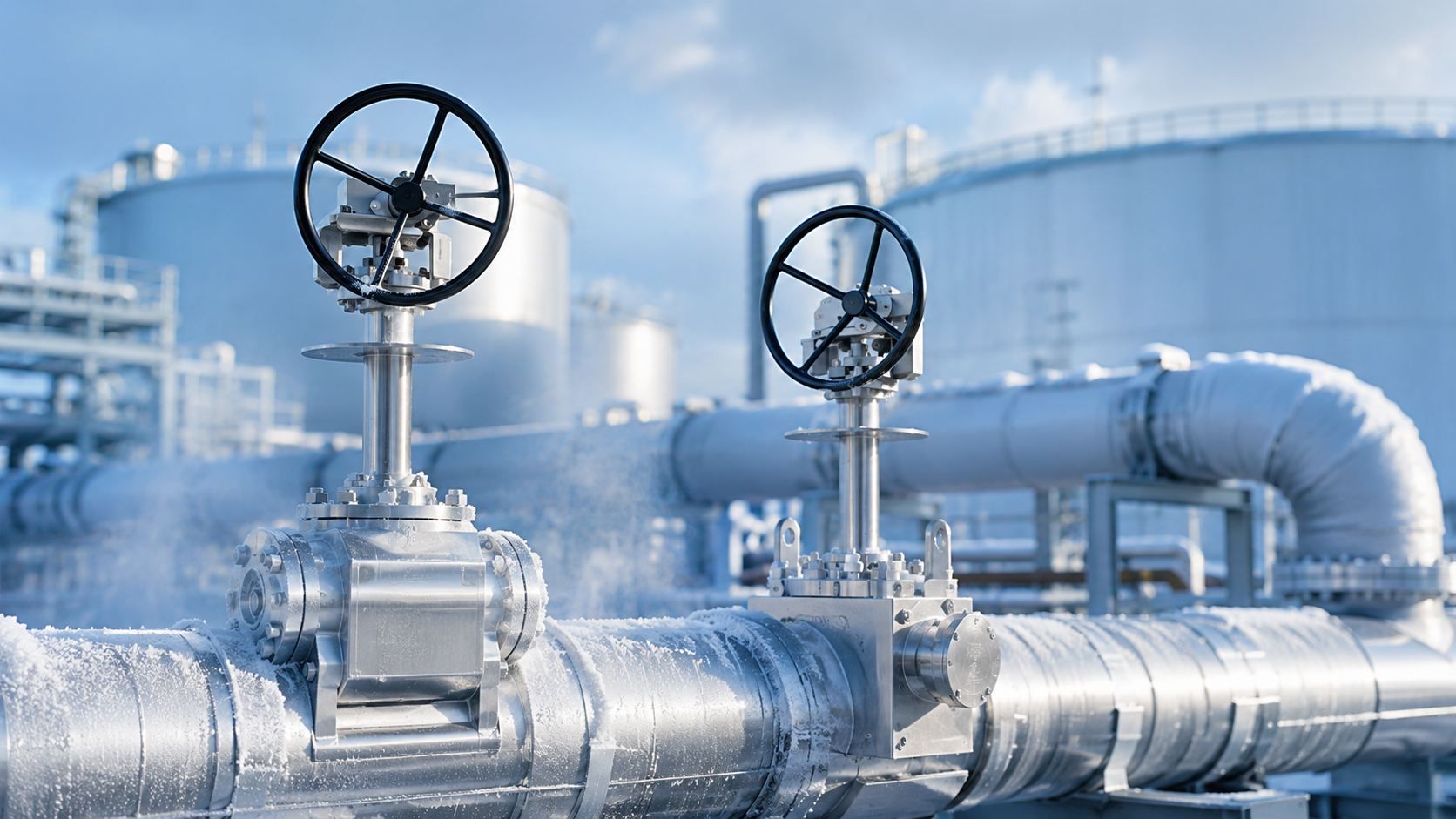
Cryogenic ball valves are used in liquefied natural gas storage and transportation chains, meaning that they are exposed to enormous pressure differentials. For such valves, the range of influencing parameters is much broader than for conventional technology of this type. In addition, the engineer-mechanics and purchasing agents of LNG companies must consider various additional factors when choosing such valves and components, due to which such devices are more complicated to design. Therefore, engineers must have extensive knowledge and information about low-temperature valves to determine their requirements and capabilities.
What Challenges Affect Cryogenic Ball Valve Reliability in LNG Systems?
LNG applications create unique conditions that place higher requirements on valve materials, sealing structures, and operating performance.
Why Do Low Temperatures Create Valve Performance Risks?
Extremely low temperatures can affect the mechanical properties of valve components and sealing materials.
During cryogenic operation, important factors include:
-
Material toughness
-
Thermal contraction
-
Seal flexibility
-
Mechanical stress
-
Long-term cycling performance
A valve, which may work reliably under normal process conditions, can show poor performance when subjected to significantly low temperatures, such as those associated with cryogenics.
Thus, the buyer should consider if the valve design they are considering is suitable for low-temperature service and not just standard operating conditions.
Why Is Leakage Prevention Important in LNG Systems?
Leakage control is one of the most important requirements for LNG storage and transfer applications.
Potential leakage risks may come from:
-
Seat sealing areas
-
Stem sealing components
-
Material degradation
-
Repeated temperature changes
Before purchasing, engineers should confirm:
-
Required leakage performance
-
Testing requirements
-
Applicable standards
-
Expected operating conditions
A reliable cryogenic valve should maintain sealing performance throughout its service life, not only during initial operation.
How Does Cryogenic Ball Valve Design Improve LNG System Performance?
Valve structure plays an important role in maintaining reliability under extreme temperature conditions. The design must consider both fluid control requirements and the effects of cryogenic operation.
How Does Valve Structure Support Low Temperature Operation?
Cryogenic ball valve designs need to manage the impact of temperature changes on internal components.
Important design considerations include:
-
Protection of sealing areas
-
Stable stem operation
-
Reduced thermal stress
-
Reliable shutoff performance
For LNG projects, buyers should review how the valve structure responds to low-temperature conditions instead of selecting based only on connection size or pressure class.
Engineers can also compare different Ball Valve solutions according to operating requirements and system conditions.
Why Are Materials Critical for Cryogenic Applications?
Material selection directly affects valve reliability in low-temperature environments.
Buyers should review:
-
Body materials
-
Ball and trim materials
-
Seat materials
-
Sealing materials
-
Low-temperature mechanical properties
The materials used are suitable for maintaining strength, toughness and sealing performance during liquefied natura gas service
Materials designed for use at ambient temperature should not be used because potential leakage could occur and deformation could occur or service life could be shortened.
How Should Buyers Evaluate Cryogenic Ball Valve Performance?
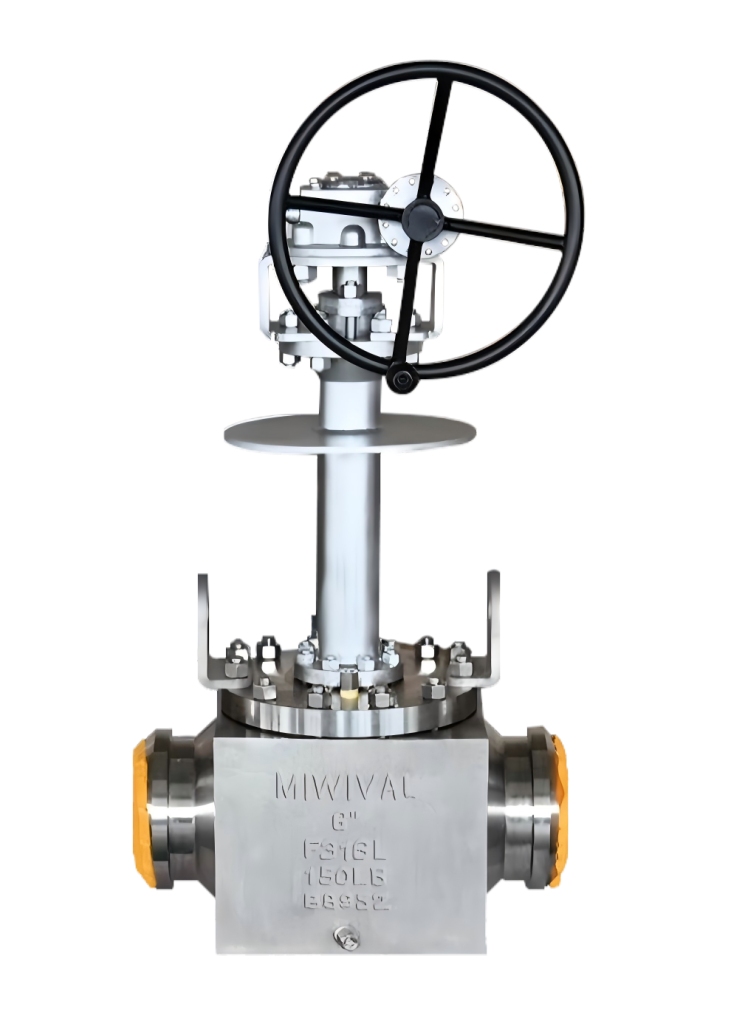
A complete technical review helps ensure that the selected valve matches the actual LNG system requirements.
Which Technical Specifications Should Be Confirmed?
-
Before approval, buyers should review:
-
Operating temperature range
-
Design pressure
-
Valve size
-
Connection type
-
Leakage requirements
-
Testing procedures
-
Applicable standards
The supplier should provide technical information showing how the valve configuration matches the project conditions.
For LNG storage and transfer systems, the valve should be evaluated under different operating situations, including:
-
Startup
-
Normal operation
-
Emergency isolation
-
Shutdown
This helps prevent problems caused by selecting a valve only according to basic catalogue specifications.
Why Is Testing Important for Cryogenic Reliability?
Testing provides confidence that the valve can perform under demanding service conditions.
Depending on project requirements, buyers may review:
-
Pressure testing
-
Leakage testing
-
Functional testing
-
Cryogenic performance verification
Testing requirements should be confirmed before manufacturing because they may influence production processes and delivery schedules.
What Factors Influence Cryogenic Ball Valve Service Life?
Long-term valve reliability depends on design quality, operating conditions, and maintenance planning.
How Does Thermal Cycling Affect Valve Durability?
LNG systems may experience repeated cooling and warming cycles during operation.
These changes can influence:
-
Seal performance
-
Material stress
-
Component stability
-
Connection reliability
A suitable valve should maintain consistent performance despite repeated temperature variations.
During selection, buyers should consider:
-
Operating frequency
-
Maintenance intervals
-
Expected service conditions
Why Should Maintenance Requirements Be Considered Early?
Maintenance planning is important because LNG facilities usually require high equipment availability.
Before purchase, buyers should confirm:
-
Spare parts availability
-
Inspection requirements
-
Maintenance procedures
-
Technical support
A lower initial purchase cost may result in higher lifecycle expenses if the valve requires frequent maintenance or replacement.
What Should Buyers Check Before Purchasing Cryogenic Ball Valves?
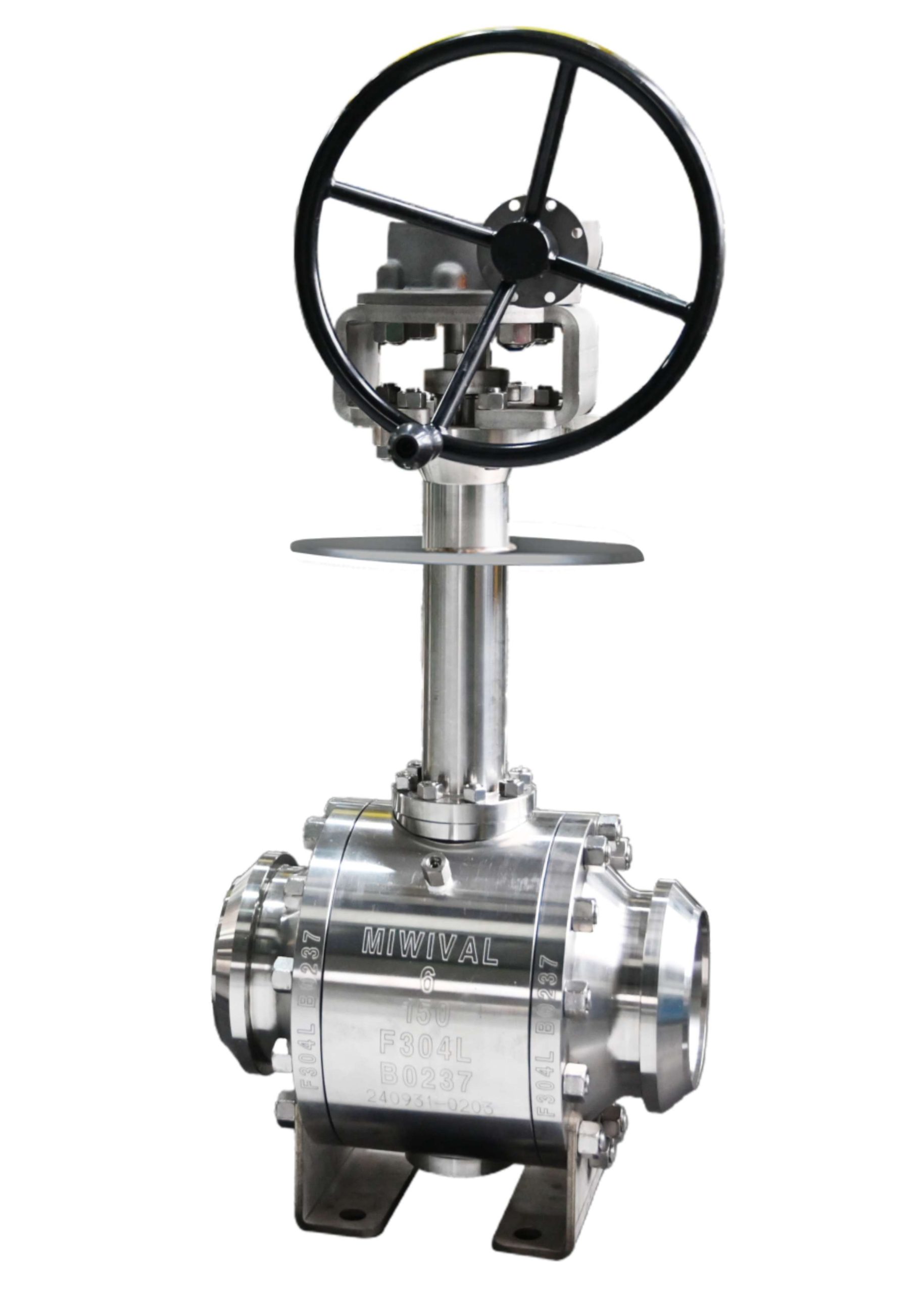
A structured evaluation process can reduce selection risks and improve long-term reliability.
Which Supplier Information Should Be Reviewed?
Before placing an order, buyers should confirm:
-
Operating temperature and pressure are defined
-
Material specifications are provided
-
Leakage requirements are confirmed
-
Testing procedures are agreed
-
Standards compliance is reviewed
-
Spare parts support is available
-
Maintenance requirements are understood
For LNG projects, technical documentation is often as important as product pricing because it affects installation, operation, and future maintenance.
Why Should Supplier Capability Be Evaluated?
Cryogenic applications require suppliers that understand low-temperature service requirements.
A reliable supplier should support:
-
Valve selection
-
Material evaluation
-
Technical documentation
-
Project communication
This helps ensure that the selected valve matches the actual application instead of only meeting basic specifications.
How Can Miwival Support Cryogenic Ball Valve Selection?
Cryogenic valve selection requires careful consideration of operating conditions, materials, and system requirements. Miwival provides industrial valve solutions for demanding applications across LNG, chemical processing, power, mining, and other process industries. For LNG storage and transfer systems, engineers can review Cryogenic Ball Valve solutions and provide project information including temperature, pressure, medium characteristics, and testing requirements. Customers can also explore Miwival’s LNG Solution and other industrial valve solutions for different process applications.
Conclusion
Reliable cryogenic ball valves for LNG storage and transfer systems should be selected with consideration of materials, sealing properties, test requirements, and operating conditions. The valves’ choice should be based on long-term performance rather than short-term cost and specifications. The LNG operators can optimize valve selection by analyzing the technical specifications, application requirements, and supplier’s expertise to reduce maintenance costs and ensure safety.
FAQs
1. What makes cryogenic ball valves different from standard ball valves?
Cryogenic ball valves are designed for extremely low temperatures and require materials and sealing structures that can maintain reliable performance during LNG service.
2. Why is material selection important for LNG valve applications?
Low temperatures can affect material strength and sealing performance, so suitable materials are required to maintain reliability.
3. What information is needed before selecting a cryogenic ball valve?
Buyers should provide operating temperature, pressure, medium characteristics, valve size, leakage requirements, and testing standards.
4. How can LNG operators improve cryogenic valve reliability?
Operators can improve reliability through proper valve selection, technical review, maintenance planning, and supplier support.
5. What should buyers confirm before ordering cryogenic ball valves?
Buyers should confirm specifications, materials, testing requirements, sealing performance, and supplier technical capability before purchase.


 consult
 WHATSAPP
 leave message
 top
top