
What Should Buyers Consider When Selecting Gate Valves for High-Temperature Steam Systems?
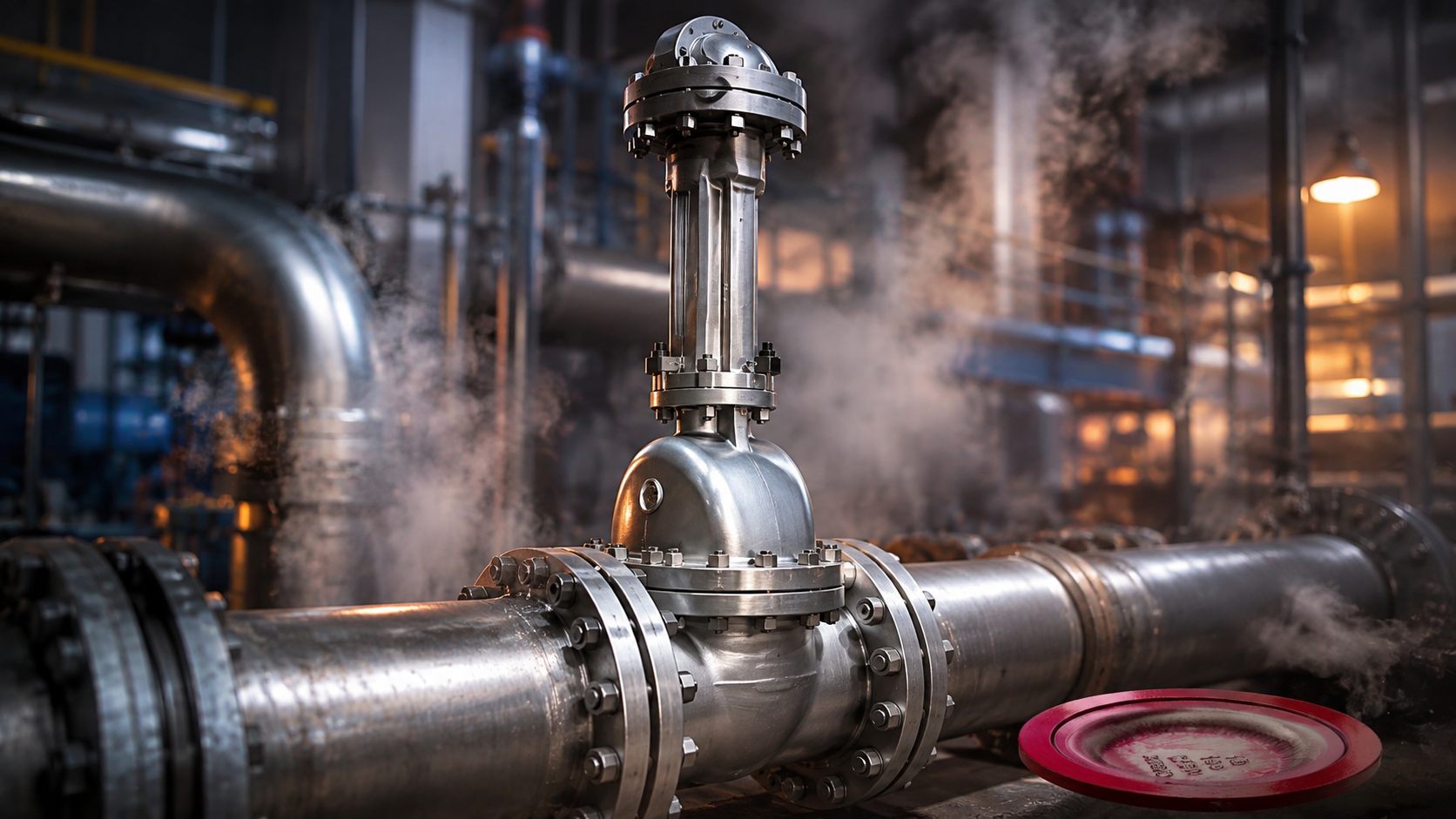
Steam gate valves are usually specified as isolation valves, but the real selection work starts after that description. High temperature changes how the stem, packing, bonnet joint, wedge, and actuator behave. A valve that works well on a moderate-temperature utility line may become difficult to operate after repeated heating and cooling. For power plants, boiler systems, and industrial steam networks, purchasing teams need to look beyond nominal size and pressure class. The more useful approach is to check how the valve will behave during startup, normal operation, shutdown, and occasional maintenance over its actual service life.
What Steam Conditions Need to Be Clear Before a Valve Is Selected?
A supplier can only choose the right valve if the steam service is described accurately. “High-temperature steam” is not enough because two lines with the same diameter may have very different operating patterns.
Start With the Pressure-Temperature Envelope
The valve data sheet should show both normal and maximum operating conditions.
Pressure and temperature need to be reviewed together. A valve may have an acceptable pressure rating at one temperature and a different allowable rating as temperature rises.
It also helps to explain how the line is used. Is the valve normally open for months at a time? Does it cycle every shift? Is it part of a boiler startup sequence?
Those details can affect the choice of packing, wedge design, stem arrangement, and actuator.
Condensate should also be considered. If water can collect upstream of a closed valve and then encounter hot steam, the resulting thermal and hydraulic effects may be much more severe than steady-state operation suggests.
Startup Conditions Often Matter More Than Normal Operation
A steam line can spend most of its life at stable conditions, but many mechanical problems appear during startup and shutdown.
The body heats up. The stem grows. Packing temperature changes. Gaskets and bolting respond to thermal expansion.
A valve that operates smoothly when cold may feel very different after reaching full steam temperature.
This is why expected startup frequency and thermal cycling should be mentioned in the RFQ. They give the supplier more context than a single design temperature.
Which Gate Valve Design Details Matter Most in Steam Service?
Once the operating conditions are understood, the next step is to look at the actual valve construction. Gate valves may appear similar externally, while internal details vary considerably.
The Wedge and Stem Need to Work Through Temperature Changes
The gate has to move into and out of the seat without becoming excessively tight as the valve heats and cools.
A flexible wedge may be considered in applications where some accommodation of thermal movement is useful. The actual suitability still depends on the valve design and service conditions.
Stem arrangement matters as well. A rising stem gives operators a visible indication of valve position and keeps the stem threads away from the process fluid. It also needs enough vertical space above the valve.
When reviewing a Gate Valve, the sectional drawing is worth checking carefully. Look at the wedge construction, stem connection, body-bonnet joint, seat arrangement, and packing area.
Gate Valves Are Better at Isolation Than Throttling
A steam gate valve is generally intended to be either open or closed.
Leaving the gate partly open for long periods can expose the seating surfaces and gate edge to high-velocity steam. Vibration and localized wear may follow.
If a line requires continuous flow regulation, the process probably needs a valve designed for throttling rather than a gate valve being used outside its preferred duty.
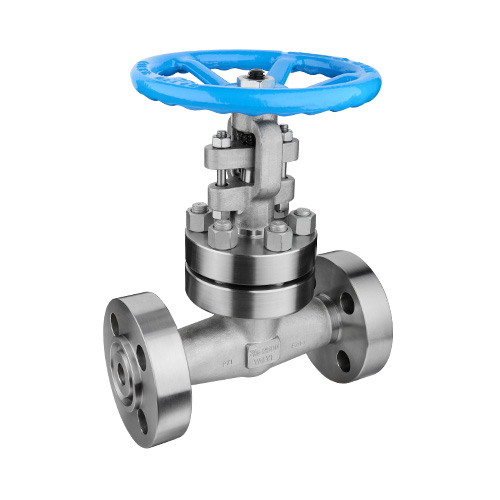
The broader Gate Globe & Check Valve range is useful when comparing isolation, throttling, and non-return functions within the same steam package.
Which Material and Sealing Details Deserve the Most Attention?
High-temperature steam puts different demands on materials than ambient-temperature service. Strength, sealing, and dimensional stability all become more important as temperature rises.
The Body Material Is Only One Part of the Review
A technical offer should identify more than the body material.
The wedge, stem, seating surfaces, bonnet, bolting, gasket, and packing all need to suit the specified pressure-temperature condition.
Generic descriptions such as “alloy trim” do not give a buyer enough information when the project has a defined material class.
Where the project requires material documentation, the purchase specification should say so before manufacturing starts.
That keeps the approved material combination tied to the actual valve being supplied.
Packing Problems Often Appear After the Valve Is Hot
Stem leakage can become a practical maintenance issue on steam service.
Packing must seal around a moving stem while exposed to elevated temperature. The stuffing box, gland arrangement, stem surface, and adjustment access all influence how easily that seal can be maintained.
The body-bonnet joint deserves similar attention.
Repeated temperature changes can affect gasket loading and bolting. If the valve is difficult to access after installation, even a minor packing or gasket problem can become expensive to correct.
How Should Actuation and Installation Be Checked?
A large steam gate valve may need considerable force to move, especially if it opens against differential pressure. The operator therefore needs to be considered at the same time as the valve.
Do Not Size an Actuator From Diameter Alone
Valve size gives only part of the information.
The required operating force depends on pressure differential, packing friction, wedge design, stem condition, and the position from which the valve must move.
Manual handwheels may work well for smaller valves that operate infrequently. Larger valves may use gear operators. Electric or pneumatic actuation can make sense where remote operation or sequencing is required.
If automation is part of the project, define the available utility, operating time, position feedback, control signal, local override, and required fail behavior before actuator selection.
A valve that seals correctly but cannot stroke under real conditions is still the wrong valve.
Installation Can Make a Good Valve Difficult to Maintain
Rising-stem valves need vertical clearance. Insulation must leave enough room around the packing and gland area for inspection. The actuator or gearbox should remain accessible.
Pipe support matters too.
The valve body should not be forced to absorb loads caused by poor piping alignment.
For steam systems, condensate drainage and warm-up procedures also affect reliability. Avoidable thermal shock or water hammer can damage equipment that was correctly selected on paper.
What Should Be Resolved Before the Order Is Released?
The final technical review should remove uncertainty rather than simply confirm that a quotation exists.
This is the stage where engineering, purchasing, and the supplier need to be looking at the same valve configuration.
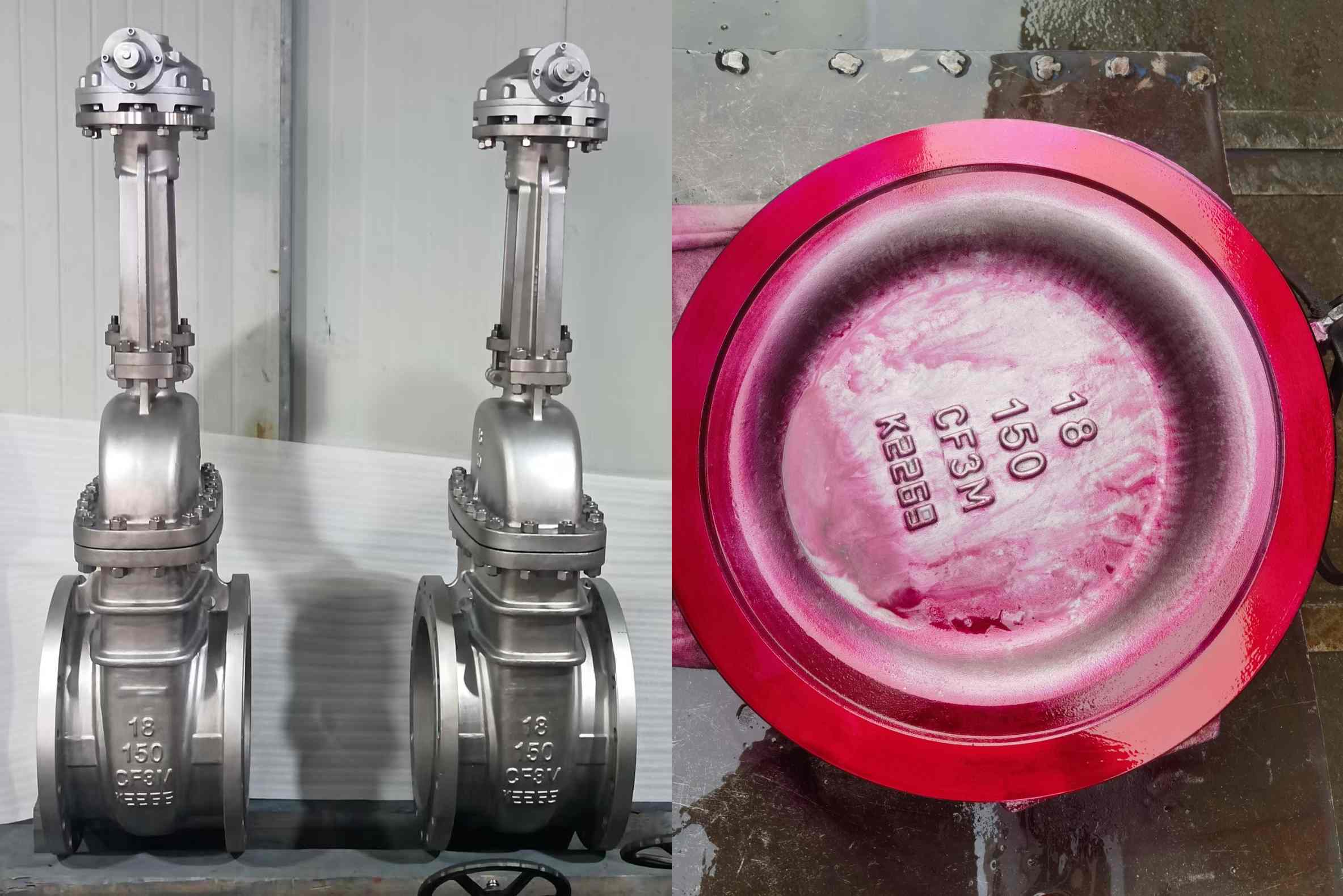
Check the Actual Drawing Against the Offer
Compare the approved drawing with the quotation.
-
Is the body-bonnet arrangement the same?
-
Are the wedge and stem details consistent?
-
Is the material list unchanged?
-
Does the operator match the agreed configuration?
-
Are the end connections and dimensions correct?
If something has changed during technical clarification, it should be visible before the purchase order is released.
The same applies to testing. Shell pressure testing, seat leakage testing, functional checks, and any project-specific inspection requirements should be agreed before manufacturing.
Think About Maintenance Before Delivery
Ask how packing is adjusted, which parts are normally replaced, and whether replacement components can be identified clearly later.
A gate valve may stay in service for years before maintenance is required. By then, the original purchasing team may no longer be involved.
Keeping the approved drawing, material list, test records, and spare-parts references with the plant asset record makes future maintenance much easier.
How Can Better Technical Coordination Reduce Steam Valve Selection Risk?
For high-temperature steam projects, a useful supplier discussion should begin with service conditions rather than a standard product description. Miwival can review pressure, temperature, line size, connection standard, operating frequency, material requirements, shutoff duty, and actuator needs before a configuration is finalized. That gives engineering and purchasing teams a clearer basis for discussing wedge design, packing, bonnet construction, operator sizing, and testing. It also helps make quotation comparisons more meaningful because each proposed valve is being checked against the same steam service instead of being judged only by size, pressure class, and price.
Conclusion
A gate valve for high-temperature steam service needs to be selected around the way the steam line actually operates. Pressure class alone does not tell the full story. Thermal cycling, wedge behavior, stem packing, bonnet construction, materials, actuator force, installation space, and maintenance access all influence long-term performance. A complete operating description and a careful drawing review can prevent many problems before manufacturing begins. For procurement teams, resolving those details early is usually far easier than correcting them after the valve is installed.
FAQs
1. Are gate valves suitable for high-temperature steam?
Yes, when the valve materials, pressure-temperature rating, packing, bonnet construction, and operating method are suitable for the actual steam service.
2. Can a gate valve be used to control steam flow?
Gate valves are normally better suited to isolation. Long-term partial opening can expose the gate and seats to high-velocity steam, vibration, and wear.
3. Why can a steam gate valve become difficult to operate when hot?
Thermal expansion, packing friction, pressure differential, wedge movement, and changes in stem clearance can all increase the required operating force.
4. What should be checked before selecting an actuator?
Check valve size, maximum differential pressure, required operating force, operating frequency, available utilities, desired stroke time, and any control or fail-action requirements.
5. Which documents are most useful before approving a steam gate valve?
The approved drawing, material list, pressure-temperature rating, test requirements, operator details, connection dimensions, and spare-parts information are especially useful.


 consult
 WHATSAPP
 leave message
 top
top