
When Should You Use a Diaphragm Valve Instead of a Ball Valve
Valves are an integral component of any industrial system, and play a critical role in ensuring effective process control, increased efficiency and enhanced safety. With such a wide range of different types available choosing the right one can be a challenging task, and the decision is often between two of the most widely used types: diaphragm valves and ball valves. While both types of valves find use in a variety of applications across different industries, each has its own particular set of characteristics and there are certain situations in which one would be used over the other. This article explores the situation in which a diaphragm valve would be used over a ball valve, and examines the key mechanical characteristics, the operational characteristics and the typical maintenance requirements of both.
What Are the Functional Differences Between Diaphragm Valves and Ball Valves?
An educated decision can be made regarding the proper valve for an application by identifying the key differences in the structure and function between Ball and Needle Valves.
Structural and Mechanical Characteristics
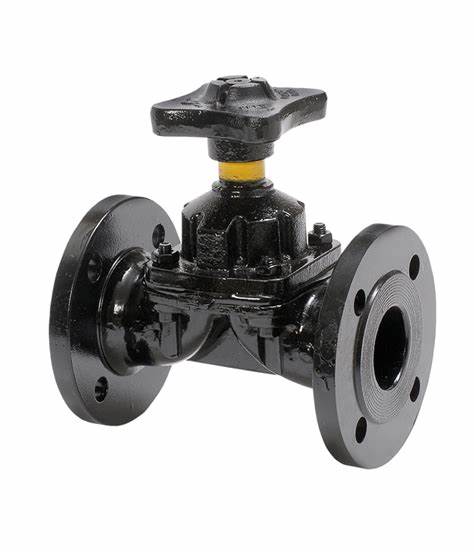
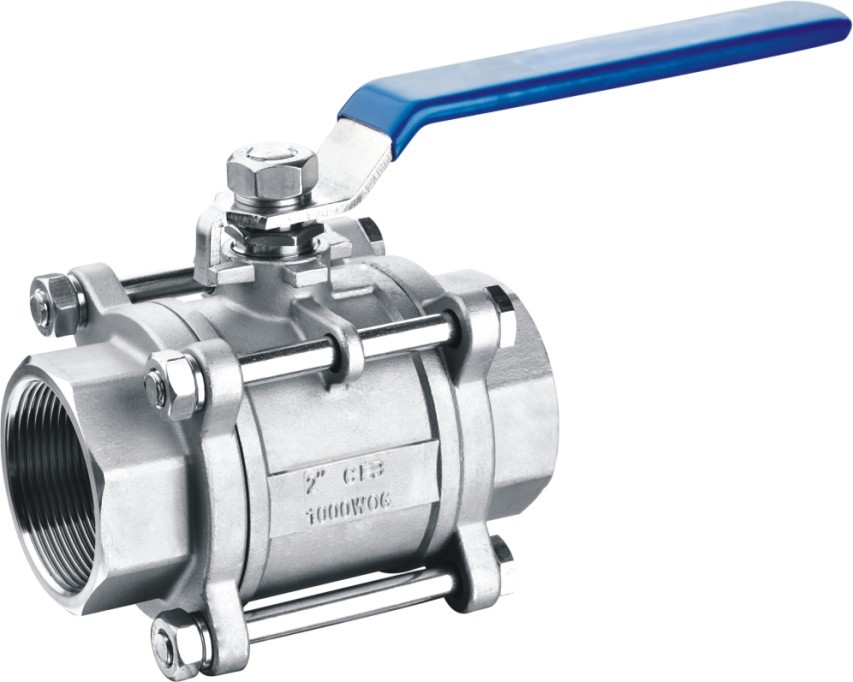
A diaphragm valve operates using a flexible diaphragm that presses against a seat to regulate or stop flow. This design isolates the working parts from the process fluid, making it suitable for applications involving corrosive or abrasive media. In contrast, a ball valve uses a spherical ball with a bore through its center; rotating this ball by 90 degrees opens or closes the flow path. The material composition of both valves—ranging from stainless steel to various elastomers—affects their resistance to corrosion, wear, and chemical attack. Additionally, diaphragm valves generally have a more tortuous flow path leading to higher pressure drops compared to the straight-through design of ball valves that allows full-bore flow with minimal resistance.
Operational Performance in Industrial Environments
Diaphragm valves are designed for precise throttling at low pressure. Smooth and even flow with no turbulence or cavitation is their forte. In contrast, ball valves are primarily used for fast shut off. Their operation is a simple quarter turn which requires minimal torque to open or close. The seal in a diaphragm valve is made by a flexible membrane, whilst in a ball valve a resilient seat is pressed against the polished surface of the ball to create a tight seal.
In Which Applications Should You Prefer a Diaphragm Valve?
Each industry has unique process requirements and the most suitable valve type for each application.
Processes Involving Corrosive or Abrasive Media
Because aggressive chemicals and slurries cannot come into contact with the mechanical parts of a diaphragm valve, this type of valve is ideal for operation in such applications. In such cases, the risk of contamination is kept to a minimum and the longer service life is an added advantage. Diaphragm valves are frequently used in chemical processing, at water treatment plants and in the pharmaceutical industry.
Scenarios Requiring Hygienic or Sterile Conditions
In hygienic applications such as biopharmaceutical production lines and food processing facilities, the highest level of cleanliness is required. Smooth interior surfaces and the ability to easily clean and sterilize diaphragm valves without the need for disassembly are key characteristics that make suitable for such sanitary environments and meet strict standards.
Low Pressure or Vacuum Systems
For low-pressure control applications requiring accurate and precise modulation, diaphragm control valves far exceed the accuracy provided by ball control valves. Also in low-pressure vacuum applications, the diaphragm valve offers superior seal capabilities compared to ball valves and is ideal for use in laboratory and critical process control loops where leakage cannot be tolerated.
When Does a Ball Valve Offer Better Performance?
While diaphragm valves are the preferred solution for many applications, ball valves are more suitable for others thanks to their sturdy construction and higher flow capacity.
High Pressure and High Flow Applications
Ball valves are designed with a full-bore, straight passage through the center of the valve which creates little to no pressure drop even at high flow rates. Ball valves are commonly used in oil & gas pipeline applications, power generation and other heavy industrial applications where fast shutoff under high pressure is required.
Situations Demanding Frequent Operation Cycles
Ball valves are built for durability with designs capable of handling thousands of open-close cycles without significant wear. Their compatibility with automated actuators further enhances operational efficiency in continuous process industries such as petrochemicals or energy distribution networks where frequent cycling is common.
How Do Maintenance Requirements Differ Between the Two Valves?
How maintenance is performed can impact long-term cost efficiency and reliability.
Ease of Cleaning and Servicing
Diaphragm valves are serviced from the top which allows the inspection and replacement of the diaphragm without taking the entire pipeline apart which can save a lot of down time. In contrast, servicing of ball valves requires the complete line to be depressurized for removal due to the internal nature of the parts.
Longevity and Replacement Considerations
Flexible diaphragms within diaphragm valves can suffer from fatigue depending on the switching frequency and media characteristics. They must be replaced on a regular basis to ensure adequate performance. The valve seats of Ball valves are generally longer lasting, however, replacement is more complex when required due to wear or surface damage.
What Factors Should Guide Your Valve Selection Decision?
Deciding between diaphragm and ball valves should not be a matter of personal preference, but rather a technical decision based on the specific requirements of the system.
Process Conditions and Fluid Characteristics
It is important to make a thorough analysis of the critical parameters such as operating pressure, temperature range, viscosity and chemical composition, because these parameters can affect the compatibility of materials and the sealing.
Installation Environment and Regulatory Standards
In hygienic applications we are referring to installations that must comply with norms like FDA or 3-A Sanitary Design, in industrial applications other norms might be more relevant such as explosion-proof or in case of very small spaces installations with very small footprints.
Economic Efficiency Over Lifecycle Costs
While initial purchase price matters, total cost of ownership—including maintenance frequency, spare part availability, energy consumption during operation—determines real economic efficiency throughout equipment lifespan.
Why Choose Miwival as Your Diaphragm Valve Supplier?
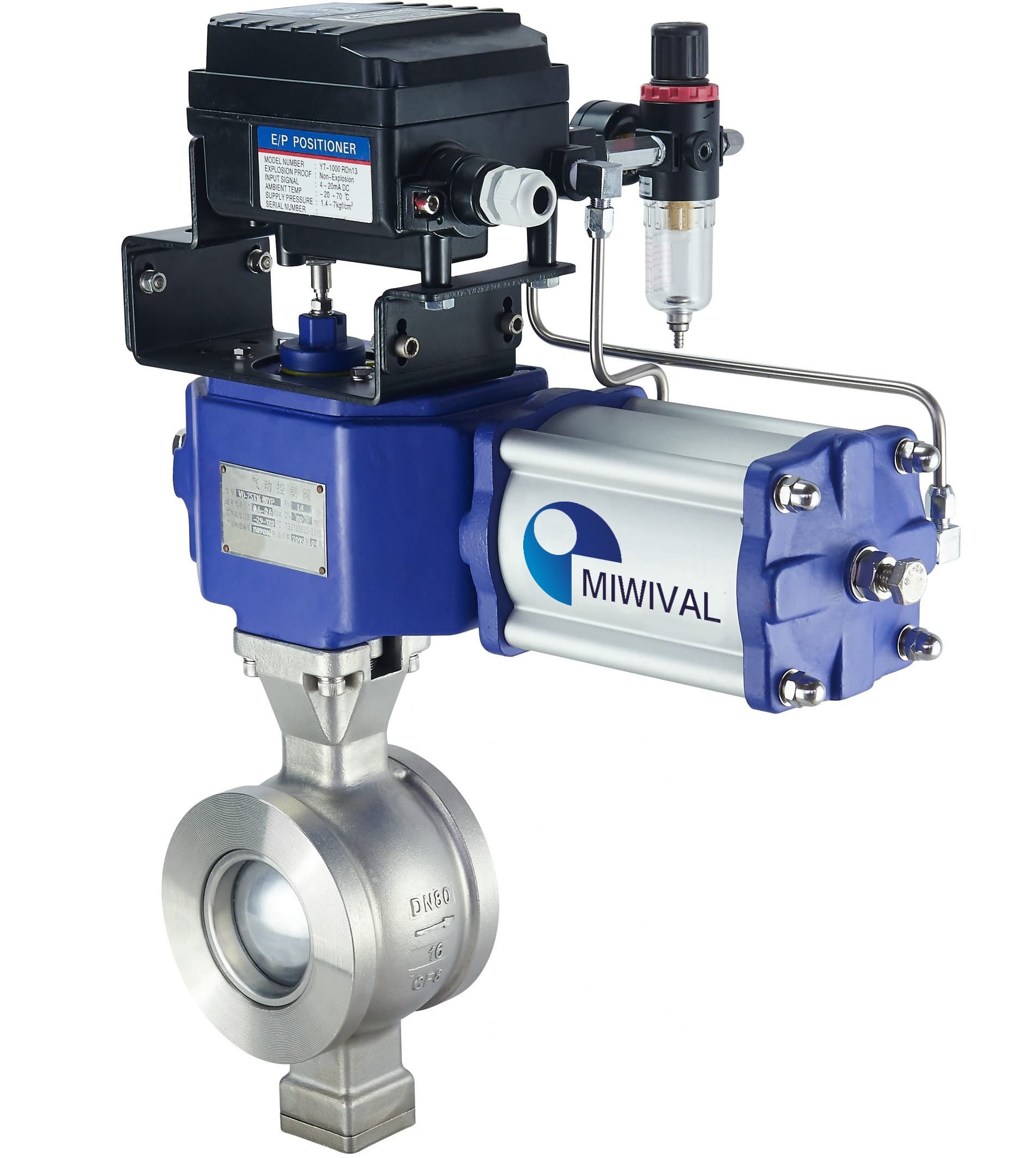
Miwival is an acknowledged supplier of high quality, accurately machined diaphragm valves for a variety of process industries. For applications in chemical processing, municipal water supply and sewage treatment, food and beverage processing, and the pharmaceutical, biotechnology and healthcare industries, Miwival’s range of diaphragm valves offers excellent durability, and outstanding resistance to corrosion in a variety of different fluids and their applications. Not only does Miwival design and engineer special valves to exactly suit a customer’s individual process requirements, it also supplies a range of standard models off-the-shelf. The company’s extensive experience in valve selection provides invaluable advice to its customers on matters relating to valve compatibility with a view to achieving the ideal combination. Once a suitable model has been chosen, Miwival’s technical support does not cease until the product has been correctly installed and is functioning satisfactorily. In addition to advice on maintenance schedules to maximize operational efficiency, Miwival’s policy of full back-up service throughout the life of the product is unrivaled. The customer has a dedicated contact for any queries or problems 24/7.
Conclusion
In practice, the choice between a diaphragm and ball valve can only be made on a case-by-case basis. Diaphragm valves, for example, are perfect for low-pressure applications in which the process fluid is aggressive or even corrosive. Diaphragm valves are also ideal for hygienic applications in which it is essential to be able to sterilize the valve. In these cases, ball valves are not suitable because they are not strong enough to withstand high pressure and because they do not open and close quickly enough. Furthermore, diaphragm valves are perfect for applications in which precise control is essential. In terms of maintenance, replacing the diaphragm is relatively simple but must be done more frequently than the seals on a ball valve. Ball valves have long-lasting seals that are very difficult to service, but they are opened and closed frequently, automatically, and with great force. For this reason, the choice of a particular type of valve is crucial to ensure the reliability of a system and to comply with the relevant safety standards. Manufacturers, such as Miwival, are able to design their valves to achieve the best possible balance of these parameters using advanced technology.
FAQs
What is the primary advantage of using a diaphragm valve over a ball valve?
In low pressure applications or where a process fluid is highly corrosive, the diaphragm valve offers superior control whilst ensuring that the process fluid is kept isolated from the mechanical parts of the valve thus affording the cleanest of operation and the lowest risk of contamination.
Can diaphragm valves handle high-temperature applications?
Whilst it is possible to select a number of the specialized diaphragm materials to offer moderate temperature resistance, in virtually all cases Ball Valves will be found to be better suited for long term high temperature service due to their all metal construction.
How often should diaphragm valves be inspected or serviced?
Inspection frequency depends on operating conditions; however, regular visual checks every few months help identify wear or fatigue in diaphragms to prevent unexpected downtime.


 consult
 WHATSAPP
 leave message
 top
top