
Why Your Control Valves Are Leaking (And How a Bellows Seal Can Fix It)
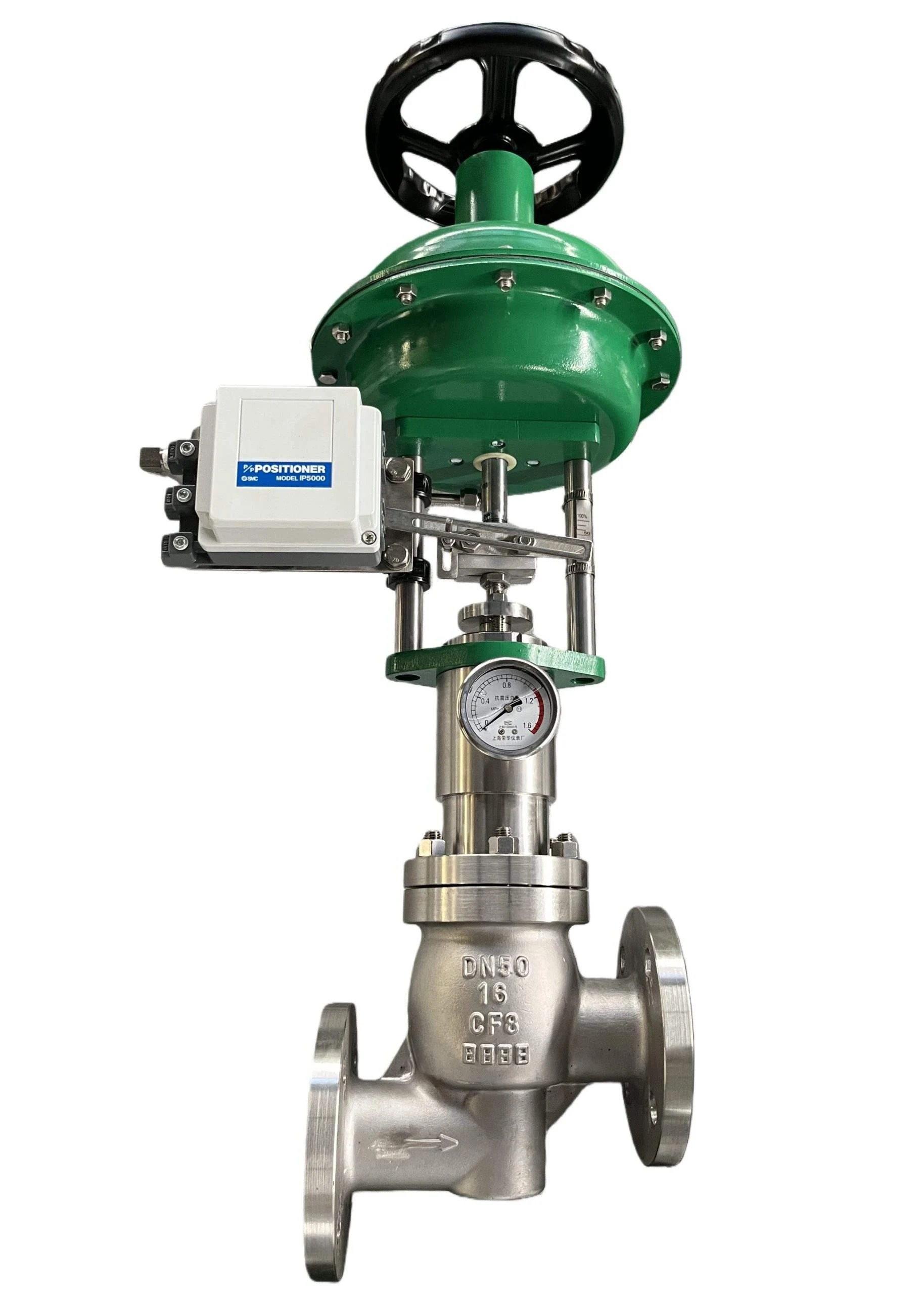
Picture this: You’re running a busy chemical plant, everything’s humming along, and then – drip, drip. A small leak from one of your control valves turns into a big headache. Downtime, cleanup costs, maybe even a safety scare. It’s a story I’ve heard from plant managers time and again. Leaks in control valves aren’t just annoying; they can hit your bottom line hard and put folks at risk. But here’s the good news: solutions like bellows seals in customized bellow globe control valves can stop those leaks cold. In this post, we’ll dive into why traditional valves fail, especially with tough stuff like toxic chemicals or pricey fluids, and how a bellows seal steps in to save the day. Stick around – you might just find the fix you’ve been hunting for.
Understanding Valve Leaks in Traditional Systems
Let’s start with the basics. Control valves are the workhorses in any industrial setup, regulating flow, pressure, and temperature. But over time, they wear out. The main culprit? Packing wear. That’s the material around the valve stem that keeps fluids from escaping. In traditional globe valves, this packing – often graphite or PTFE – takes a beating from constant movement, high pressures, and harsh environments.
Common Causes of Packing Wear
Think about what these valves go through daily. The stem slides up and down thousands of times, rubbing against the packing. Add in vibrations from pumps or fluctuating temperatures, and that wear speeds up. In a power plant I visited last year, they had valves handling steam at over 500°F. The heat alone softened the packing, leading to gaps where steam hissed out. It’s not rare – industry reports show that up to 60% of valve failures stem from packing issues, according to maintenance logs from similar facilities.
Dirt and debris make it worse. Particles sneak in, grinding away at the packing like sandpaper.In mining spots slurry carries sharp bits. Those grind seals down quickly. An engineer once described a valve that failed after just six months. Leaks forced a full stop. Lost production ran about $50,000. These cases repeat across oil and gas plants. Wastewater facilities see the same headaches.
Risks with Toxic or Expensive Media
Now, amp up the stakes with hazardous materials. Handling toxic gases like chlorine or expensive fluids like pharmaceutical intermediates? A leak isn’t just a mess – it’s dangerous. Imagine a petrochemical line where a worn packing lets volatile organic compounds escape. Workers breathe it in, regulators get involved, and fines pile up. The EPA has cracked down on such emissions, with penalties reaching hundreds of thousands per incident.
For pricey media, every drop lost is money down the drain. In a food processing plant dealing with high-value extracts, even a slow leak over weeks adds up to thousands in waste. Safety risks loom large. A contact in chemicals recalled a close call. Ammonia leaked from a valve. The area evacuated. Operations paused for days. Standard packing struggles against corrosion. It fails under extreme heat or pressure. That leaves your operation exposed.
The Role of Bellows Seals in Preventing Leaks
Problems aside, solutions do exist. Bellows seals change the game in valve tech. Traditional packing depends on tight compression. Bellows seals use something different. A flexible metal structure – shaped like an accordion – surrounds the stem. It keeps process fluid completely isolated. Think of it as tough armor around your valve.
How Bellows Seals Work
At its core, the bellows is welded to the stem and bonnet, creating a hermetic seal. As the stem moves, the bellows expands and contracts without any sliding parts exposed to wear. No friction means less breakdown over time. In customized bellow globe control valves, this setup is tailored to your needs – sizes from 1″ to 28″, pressures up to Class 2500, and materials like stainless steel for corrosion resistance.
Take an angle-type bellows valve, for instance. Its offset design cuts down on turbulence, making it perfect for tight spaces in refineries. Or add cooling fins for high-heat apps, like in power plants where temps hit 650°C. These aren’t off-the-shelf; they’re built to spec, ensuring they fit your pipeline like a glove.
Achieving Zero Leakage with Metal Barriers
The magic? That metal barrier. It blocks any path for fluids to escape externally, hitting zero leakage rates. Traditional valves might meet Class VI shutoff – allowing tiny bubbles per minute – but bellows seals go beyond, to true zero. For toxic media, this means no emissions, keeping your site compliant and safe.
In handling expensive fluids, it pays off quick. One case from a pulp mill: Switching to bellows seals cut leaks by 100%, saving on media replacement and reducing maintenance calls. The metal construction handles aggressive chemicals without degrading, unlike packing that swells or cracks. It’s straightforward engineering that delivers big.
Comparing Bellows Seals to Standard Valves
So, how do bellows stack up against the old standbys? Let’s break it down. Sure, traditional valves are cheaper upfront, but factor in the long haul, and the picture changes.
|
Aspect |
Traditional Valves |
Bellows Seal Valves (e.g., Customized Bellow Globe Control Valves) |
|
Leakage Risk |
High due to packing wear; often leads to emissions over time |
Zero external leakage via metal bellows barrier |
|
Long-Term Costs |
Frequent replacements and downtime; e.g., $10K-50K per failure event |
Higher initial cost but 2-3x longer life; reduced maintenance saves 30-50% annually |
|
Safety |
Vulnerable to toxic leaks; higher accident potential |
Enhanced protection for hazardous media; meets strict regs like EPA standards |
|
Durability |
Wears out in 6-12 months in harsh conditions |
Resists high temps/pressures; lasts years with minimal upkeep |
From what I’ve seen in the field, bellows seals shine in safety. No more worrying about stem emissions in chemical lines. Cost-wise, the payback is real – less downtime means more uptime. A wastewater facility reported slashing repair budgets by half after the switch. And for precision? Bellows maintain tight control without the slop from worn packing.
Real-World Applications and Benefits
Bellows seals aren’t theory; they’re proven in the trenches. In oil and gas, they handle sour gas without a hitch, preventing H2S leaks that could shut down rigs. Chemical plants use them for acids, where standard valves would corrode in months.
- Power Generation: High-pressure steam lines stay leak-free, boosting efficiency and cutting fuel waste.
- Petrochemicals: Zero leaks mean no lost product in ethylene processes, saving bucks on inventory.
- Pulp and Paper: Abrasive slurries don’t faze them, reducing mill stops.
One standout: A mining op in Australia fitted customized bellow globe control valves in slurry lines. Leaks dropped to nil, and they ran 18 months without a tweak – versus quarterly fixes before. It’s about reliability that lets you focus on production, not patches.
Introducing Miwival: Your Trusted Supplier
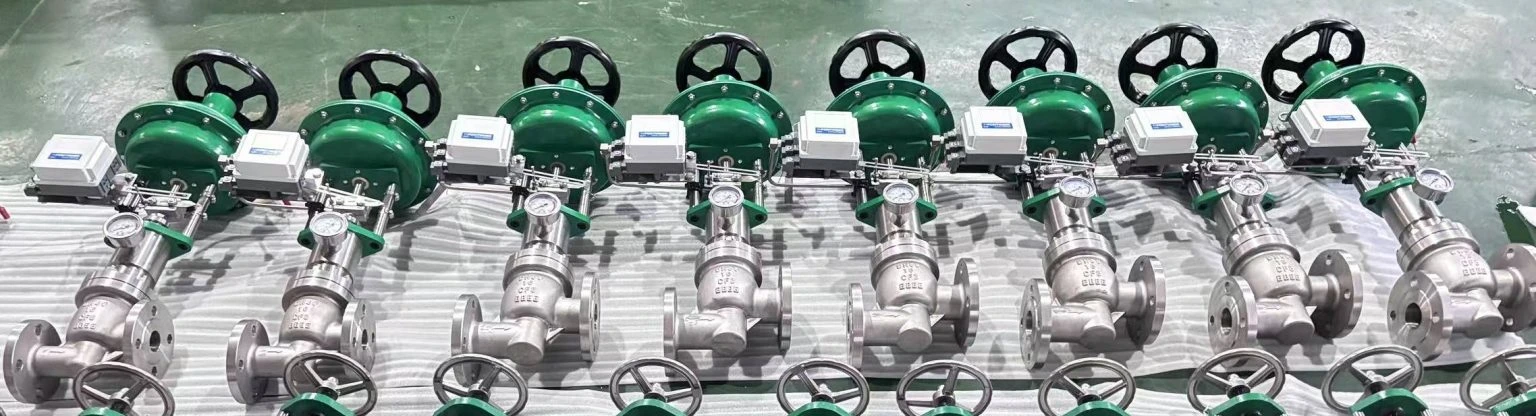
If you’re nodding along, thinking it’s time for an upgrade, let’s talk about who can deliver. Miwival stands out as a go-to supplier for valves, actuators, and accessories. With roots in flow control expertise, they’ve built a rep for quality that spans over 40 countries. Their team – think engineers who’ve been in the trenches – focuses on what matters: solid products at fair prices, quick delivery (often in two weeks), and round-the-clock support.
What sets them apart? It’s that QCDS approach: Quality from raw materials to final test, Cost through smart supply chains, Delivery that’s reliable, and Service that’s personal. Values like integrity and innovation drive them, making sure every customized bellow globe control valve meets your exact needs. Whether it’s for mining, power, or chemicals, Miwival’s got the lineup to keep your operations smooth and safe.
Conclusion
Wrapping up, leaks in control valves don’t have to be a fact of life. By ditching worn-out packing for bellows seals, you lock in zero leakage, ramp up safety, and trim those nagging costs. It’s a smart move for any setup dealing with tough media. Ready to make the switch? Customized bellow globe control valves could be your answer – reliable, tailored, and built to last.
FAQs
What causes leaks in traditional control valves?
Leaks often stem from packing wear around the valve stem. Constant motion, heat, and debris grind it down, creating gaps. In setups with toxic media, this can lead to hazardous emissions fast.
How do customized bellow globe control valves achieve zero leakage?
They use a metal bellows that acts as a flexible barrier, welded tight to prevent any external escape. Unlike packing, there’s no friction wear, making them ideal for high-pressure or corrosive environments.
Are bellows seals worth the extra cost compared to standard valves?
Absolutely. While upfront prices are higher, they cut long-term expenses by extending valve life and slashing downtime. For expensive media, the savings on lost product alone can pay back quick – think 30-50% less in annual maintenance.
Can customized bellow globe control valves handle extreme temperatures?
Yes, they’re designed for it, with options like cooling fins for up to 650°C. This makes them a fit for power plants or chemical lines where heat would wreck traditional seals.
Where can I find reliable suppliers for bellows seal valves?
Look for experts like Miwival, who specialize in customized solutions. They offer a range of sizes and pressures, backed by global support to match your specific needs.


 consult
 WHATSAPP
 leave message
 top
top