
Why Cryogenic Ball Valves Fail in LNG Applications — and How Engineers Prevent Leakage at -196°C
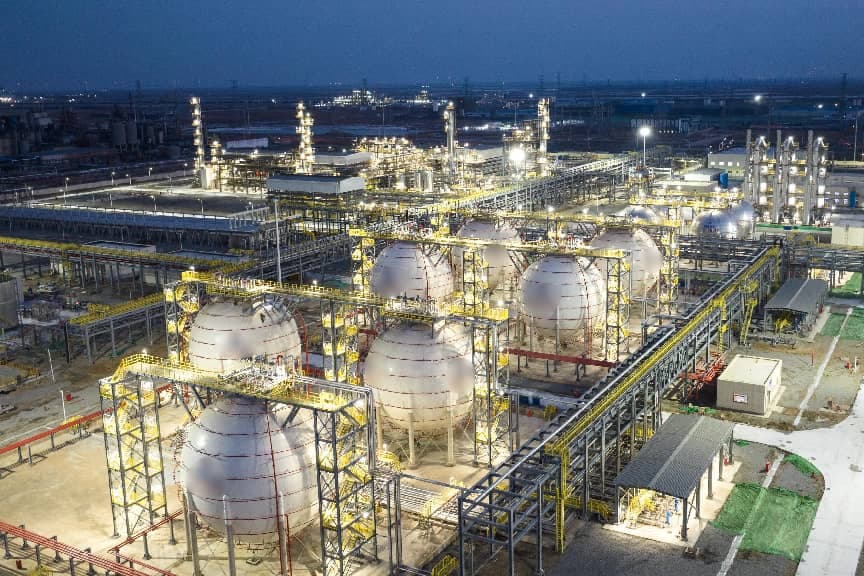
LNG plants depend a lot on cryogenic ball valves. These valves handle liquefied natural gas at temperatures down to −196 °C. They serve as key parts that provide safe shutdown and exact regulation in cryogenic transfer lines, storage tanks, and processing setups. Their skill to work in very cold conditions helps keep the whole LNG process strong. Yet, even with solid design and special materials, problems with these valves still create issues during work. Such problems can cause leaks, sudden stops in operations, or safety risks that harm both workers and gear. Knowing the main reasons for these troubles lets engineers build better systems. These systems can handle the tough conditions common in LNG settings.
Why Do Cryogenic Ball Valves Fail in LNG Plants?
Problems with cryogenic ball valves often come from a mix of material weaknesses, seal wear, and bad assembly methods. Each part plays a role based on changes in temperature and mechanical pressures during use. To grasp this better, let’s look at the main causes.
Material Degradation at Extremely Low Temperatures
Metals in regular valves often lose flexibility when faced with cryogenic temperatures. They turn brittle and easy to break. In LNG plants, where −196 °C is normal, this weakness can lead to big cracks or bends under heat changes. Also, differences in how materials shrink from cold create stress spots between the valve body, stem, and seat. These spots speed up wear over time. If the wrong metals or heat processes are chosen in making them, the stresses get worse. So, picking materials that stay tough in cold is basic to stop early breakdowns.
Seal Failure Due to Temperature‑Induced Stress
Seal strength is a big worry in cryogenic work. PTFE or other plastic seals shrink too much in very low temperatures. This hurts the tight fit around the ball-seat area. The shrinkage makes tiny openings that let gas escape when the system warms up to normal levels. Plus, uneven growth between metal seat rings and seal parts adds more stress during heat shifts. If the seat is not pressed enough during putting together, the seal works poorly after many cool and warm cycles.
Stem Leakage and Packing Issues
The stem area is a top spot for leaks in cryogenic ball valves. It moves a lot when the valve opens or closes. Regular packing materials lose bounce when cooled past their safe point. This leads to small gas escapes through the gland spot. Not enough stem length also puts packing right in cold areas. There, frost can build up and hurt seal surfaces. Wrong gland tightening makes this worse by cutting the pressure on packing rings. That pressure is needed for good sealing.
Contamination and Improper Assembly Practices
Even with good design and materials, dirt added during assembly can harm valve trust. Small bits caught between seats and the ball scratch key seal areas when the valve moves under pressure. In the same way, not cleaning well or rough surfaces before cold tests cause early damage once in use. Not following world rules like ISO 28921 or BS 6364 raises the chance of early problems. This happens from uneven making sizes or weak check processes.
How Do Engineers Prevent Leakage at −196 °C?
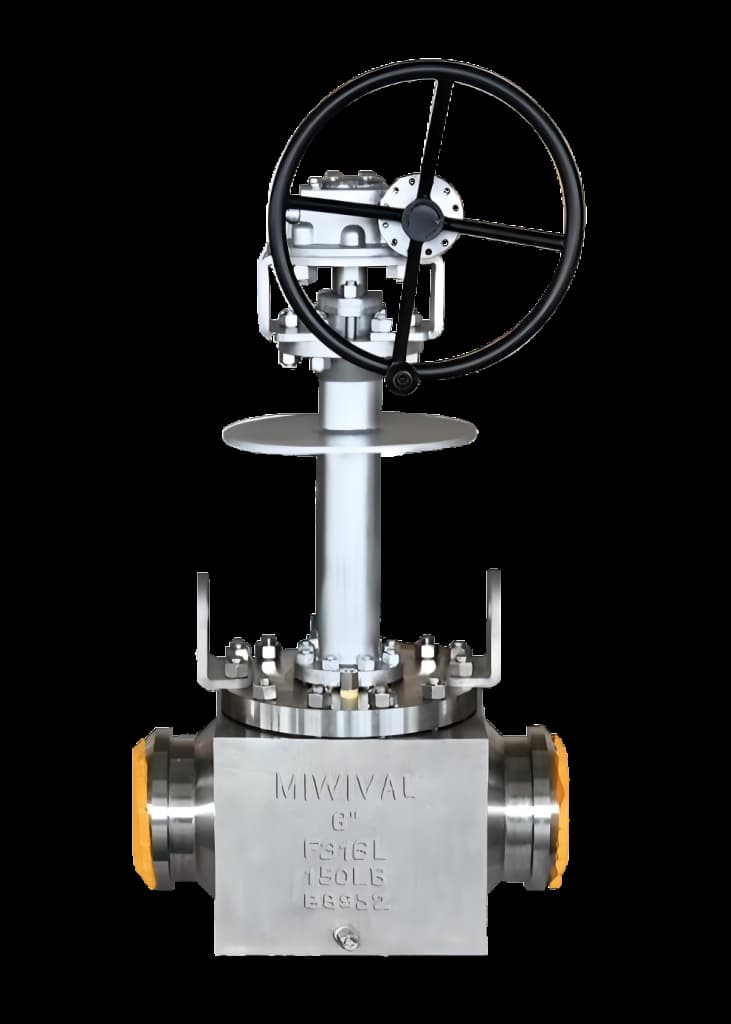
To make sure valves last long in cold conditions, engineers use a blend of better materials, smart designs, and strict tests. These steps help cut down on leaks and keep things running smoothly.
Selecting Suitable Materials for Cryogenic Service
Choosing the right materials is the main way to fight low-temperature harm.
Stainless Steels and Nickel Alloys for Structural Integrity
Austenitic stainless steels like 304L and 316L keep good strength even in very cold spots. This is because of their steady face‑centered cubic crystal setup. These metals fight off weakening while holding the power needed to hold pressure in LNG work. Nickel‑based alloys such as Inconel add better size steadiness under many heat cycles. They do this by cutting down on uneven shrinking across parts.
Seat and Seal Material Innovations
New ideas in plastic studies have made changed PTFE mixes and PCTFE (polychlorotrifluoroethylene). These show better staying power against shrinking at −196 °C. For spots with high pressure or many uses in LNG sites, metal‑seated ball valves are more common now. They offer great wear fight and sure sealing over a broad temperature span.
Engineering Design Features That Enhance Performance
Smart design changes are just as key as material picks in cutting leak dangers. They help valves work better in tough spots.
Extended Bonnet Design for Thermal Isolation
Extended bonnet setups make a heat block between the cold valve body and the warmer part that moves it. This keeps stem packing out of freezing areas. It also cuts heat flow from outside air into the valve inside. As a result, it lowers moisture buildup and ice around moving pieces. These are usual causes of hard movement or harm during start-up steps.
Double Sealing Systems for Redundancy
Two-seal plans give extra safety with two separate blocks against leaks at key spots like seats or stems. If one seal breaks from cold shrink or use, the other one holds back the flow until fixes can happen safely. Holes for pressure release in cavity designs stop trapped gas from growing during warm-up. That growth could break inside parts otherwise.
Testing and Quality Control Measures in Valve Manufacturing
Full checks make sure every valve hits high work goals before going into LNG lines.
Cryogenic Testing Procedures Before Deployment
Makers do deep soak tests with liquid nitrogen to copy real work at −196 °C. They check leak amounts using known world rules like ISO 28921 or API 598. This confirms they stay within set limits for inside and outside gas escapes.
Maintenance and Inspection Protocols During Operation
After setup, regular checks on twist force keep steady push on the ball-seat contact through its life. Usual helium leak scans spot early wear signs. This lets teams fix things ahead of time. It stops small leaks from turning into big ones that need plant stops.
How Does Miwival Support Reliable LNG Valve Performance?
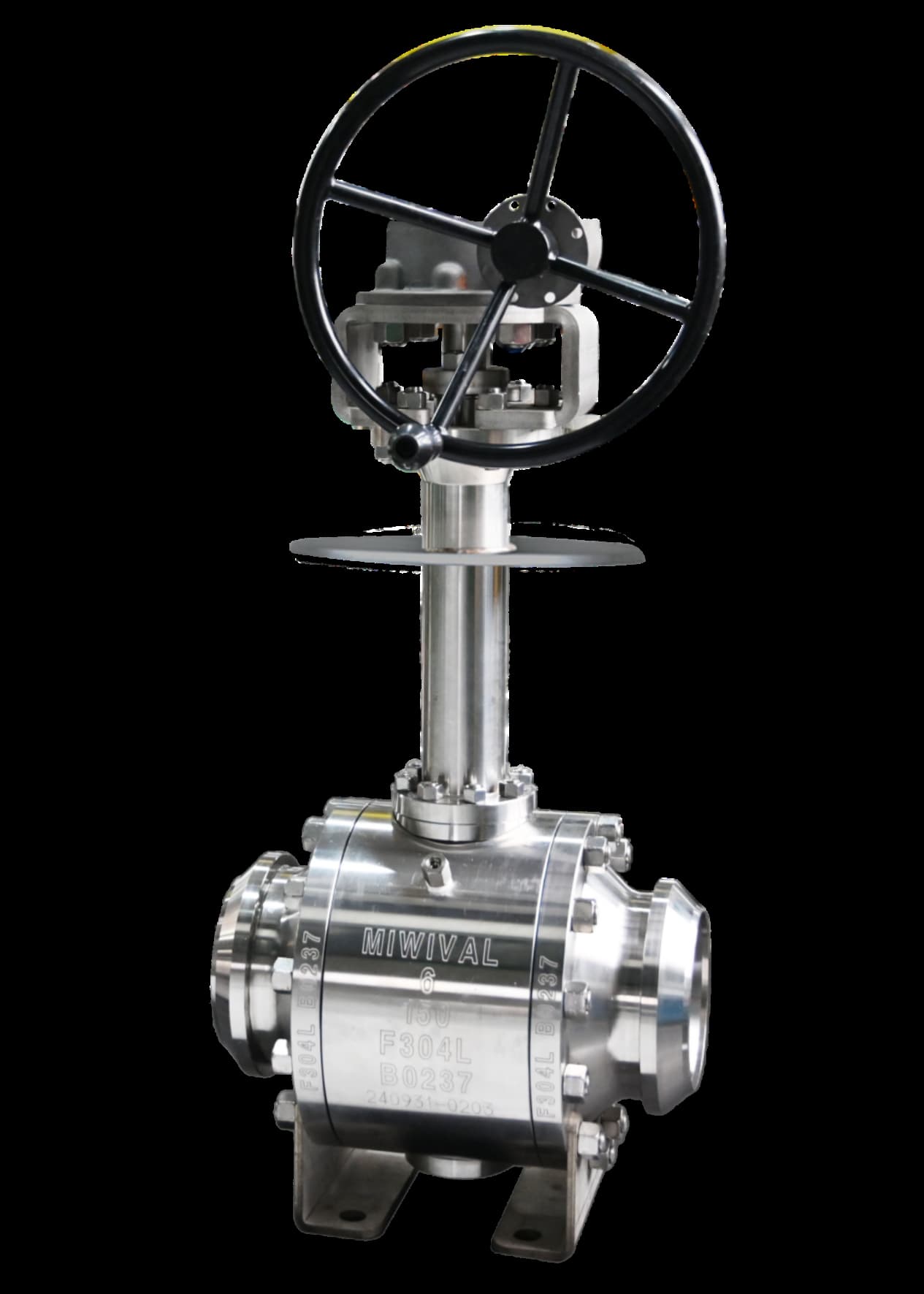
Before we wrap up on ways to stop problems, it’s good to note how suppliers help make things more reliable through new ideas and rule following.
Miwival’s Expertise in Cryogenic Ball Valve Engineering
Miwival focuses on making cryogenic ball valves for LNG steps down to −196 °C. Their line includes full‑bore floating kinds and trunnion‑mounted ones for big pipe systems with strong pressure changes. Each item goes through hard checks in fake work setups. This ensures steady action over many freeze–thaw times common in LNG tasks.
Quality Assurance and Compliance Standards at Miwival
Every Miwival valve faces wide quality steps matched to BS 6364 rules for leak work in cold uses. The firm stresses full tracking from raw stuff papers to last cut checks. This promises evenness in making runs while hitting world safety needs for today’s LNG build projects.
Conclusion
Making cryogenic ball valves last long in LNG work relies on fixing main issues like material mismatches, seal harm from heat stress, and weak assembly controls. Engineers cut these dangers well through picking tough metals for cold, using extended bonnet shapes to keep packing from frost, adding extra two-seal plans for safe backup against leaks, and applying tight test rules to check rule fits like ISO 28921 or BS 6364 before start. Working with expert makers like Miwival helps runners get steady work while keeping safety and energy save in ongoing service at −196 °C.
FAQs
What causes the most frequent leakage issues in cryogenic ball valves?
Leaks mainly come from seal shrink due to big cold pull together with wrong assembly sizes or loss of bend in packing stuff open all the time to cold settings usual in LNG plants.
Why is extended bonnet design critical for LNG service valves?
The extended bonnet acts as a key heat wall splitting cold work areas from warmer move parts. This stops too much cooling around stem packings. So it keeps bend in seal pieces and cuts frost buildup that might slow motion or hurt over time.
How often should cryogenic ball valves be tested in operational LNG plants?
Normal check times happen every six months with full work tests once a year. But exact times can change based on process pressure uses and site rule setups for safety in different world LNG fields.


 consult
 WHATSAPP
 leave message
 top
top