
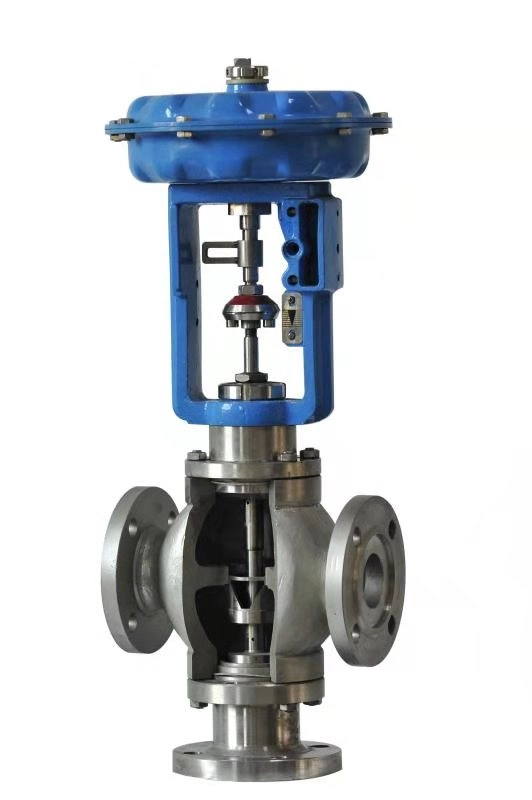
Mastering Temperature Control How to Optimize Heat Exchanger Efficiency with Three-Way Valves
Learn how three-way globe control valves improve heat exchanger efficiency through precise mixing valve applications in HVAC, chemical, and energy systems.
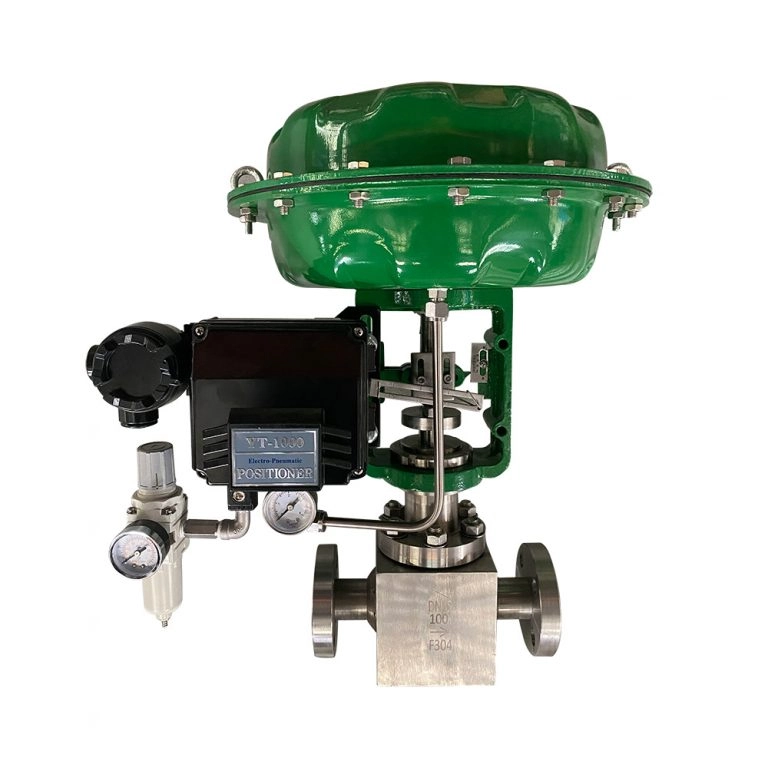
How to Select the Right Globe Control Valve for High-Temperature Applications (Up to 650°C)
Discover how to choose globe control valves for high-temp service up to 650°C in power, petrochemical, and refinery applications.
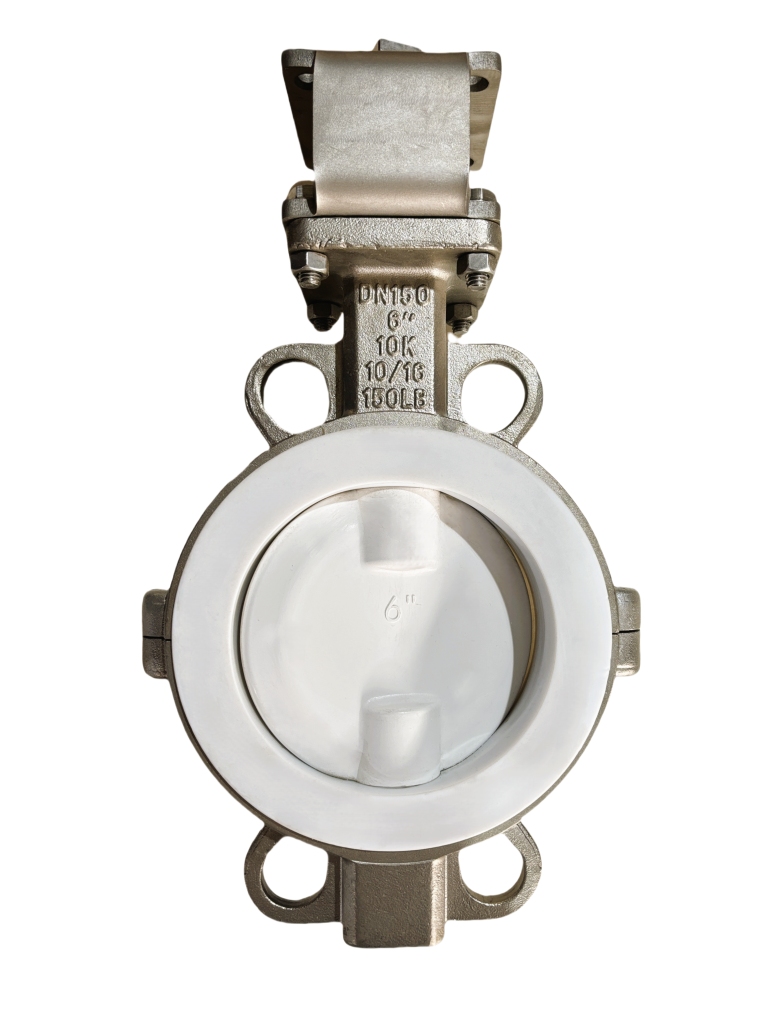
5 Signs It’s Time to Replace Your Corroded Valve with a Fluoropolymer-Lined Butterfly Valve
Spot corrosion early: leaks, pitting, high maintenance. Upgrade to a durable Fluoroethylene Lined Butterfly Valve for reliable performance in harsh environments.
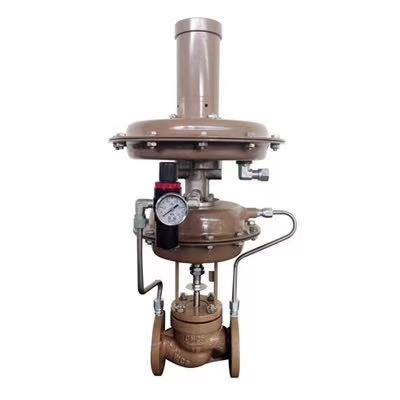
Reducing Operational Costs and Downtime The Long-Term ROI of High-Quality Industrial Control Valves
Cut downtime and OPEX with reliable pressure reducing valves. Learn how they boost ROI and minimize maintenance in industrial flow control.
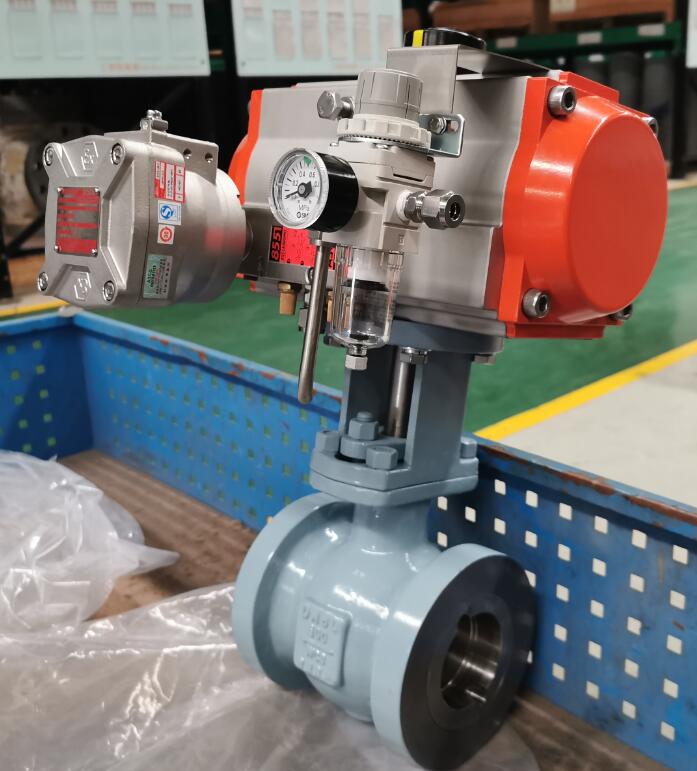
Why Eccentric Rotary Plug Control Valves Are Key for Heavy-Duty Flow Control
Discover why eccentric rotary plug control valves deliver precise control, longer life, and 100:1 turndown in refineries, power, and chemical plants.
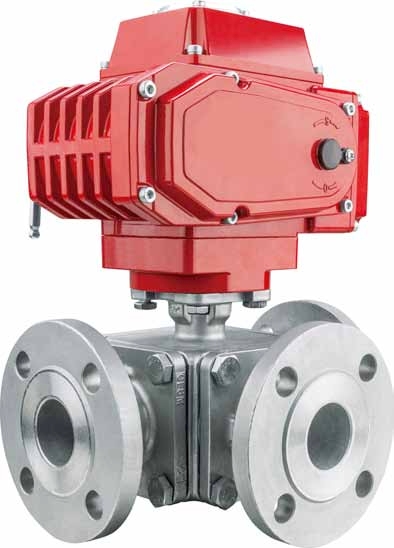
Streamlining Your Process Lines Replacing Multiple Valves with a Single Multi-Port Design
Learn how a single multi-port ball valve (L/T/X-port) replaces 3–5 valves, cuts leak points, reduces space, and lowers installation & maintenance costs.
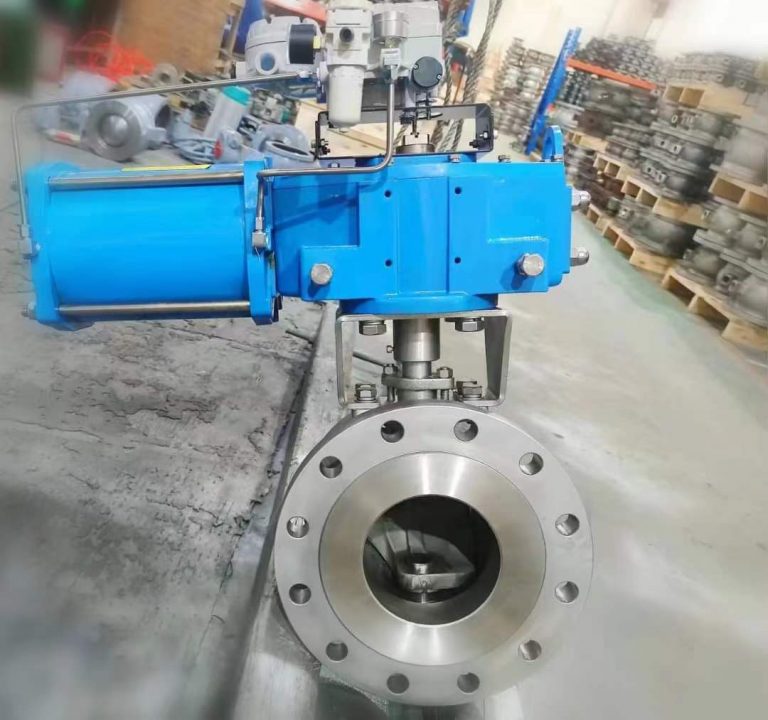
How to Prevent Valve Erosion and Clogging in High-Consistency Pulp Lines (8-19% MC)
Discover how MC Pulp segment ball valves with V-notch design and SMO254/DSS 2205 materials stop erosion and clogging in high-consistency pulp (8-19% MC).
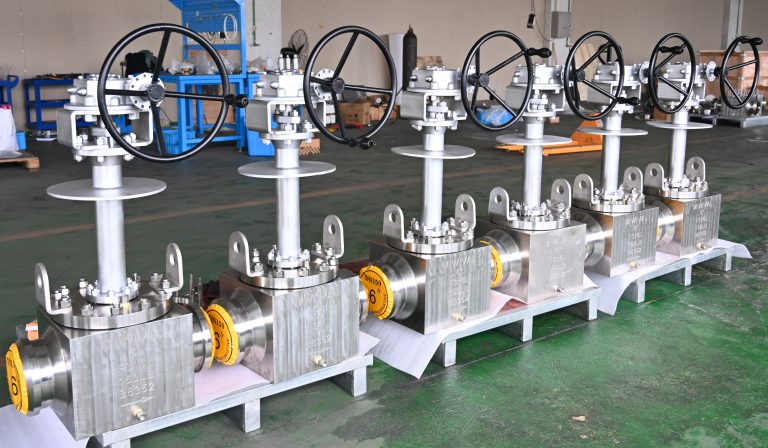
How to Choose the Right Cryogenic Ball Valve for LNG, LOX, LIN Applications A 5-Step Guide
Step-by-step guide to choosing the right cryogenic ball valve for LNG (-162°C), LOX (-183°C), and LIN (-196°C)—materials, seals, standards & key differences.
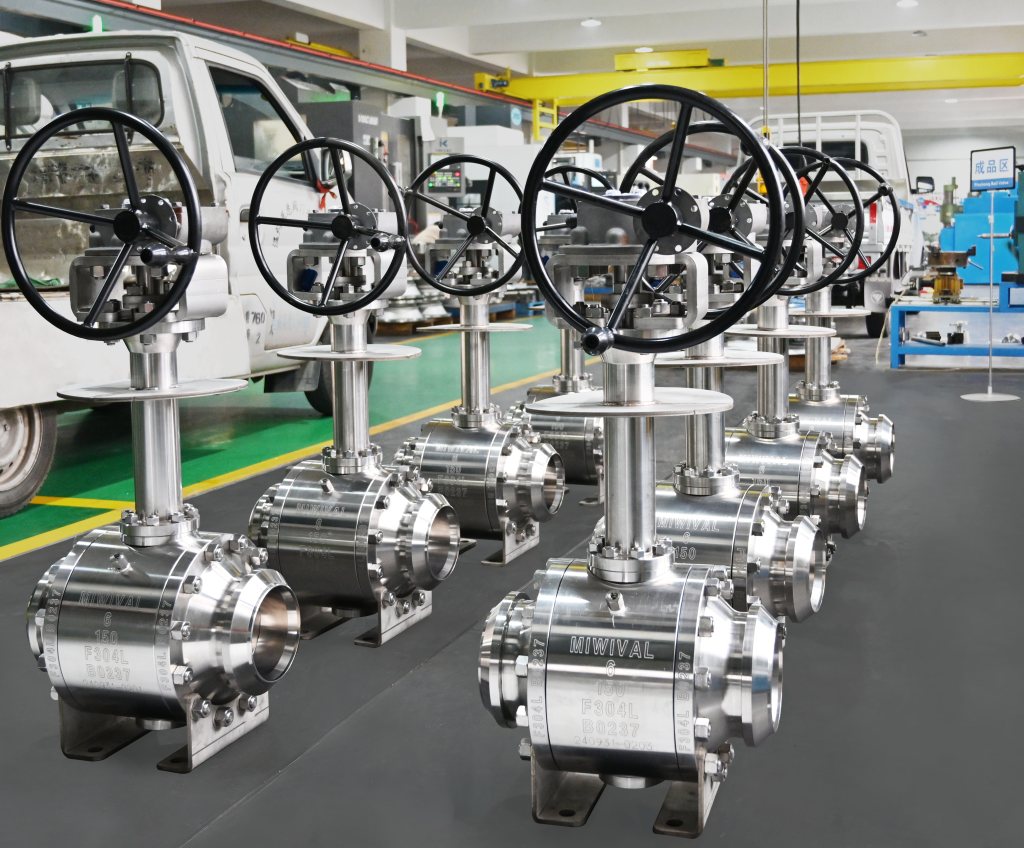
10 Critical Factors When Selecting a Cryogenic Ball Valve for LNG Applications
Discover 10 critical factors to select the best cryogenic ball valve for LNG—temperature, materials, sealing, fire safety & more for safe, reliable performance.
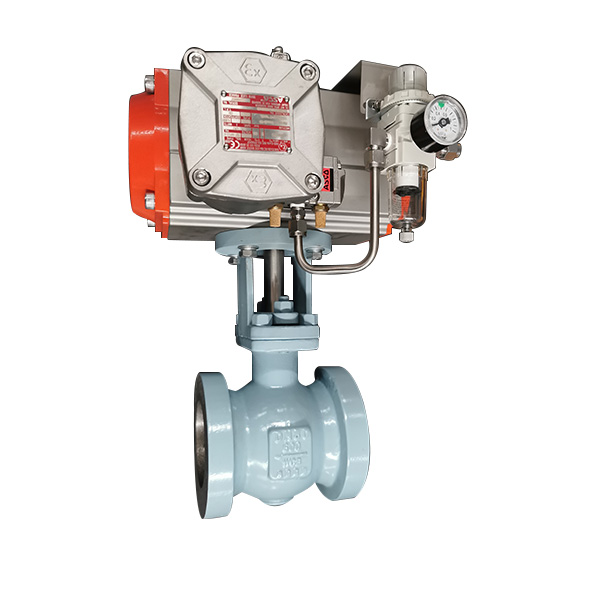
Solving Erosion & Coking: Why Eccentric Rotary Valves Outlast Globe Valves in Tough Services
Discover why eccentric rotary plug control valves outlast globe valves in abrasive slurries and coking services for mining and refining.
Corrosion-Resistant Valve Selection Guide When to Choose Ceramic over Stainless Steel
Learn when to select ceramic lined eccentric rotary plug control valves over stainless steel for harsh acids and alkalis in chemical plants.
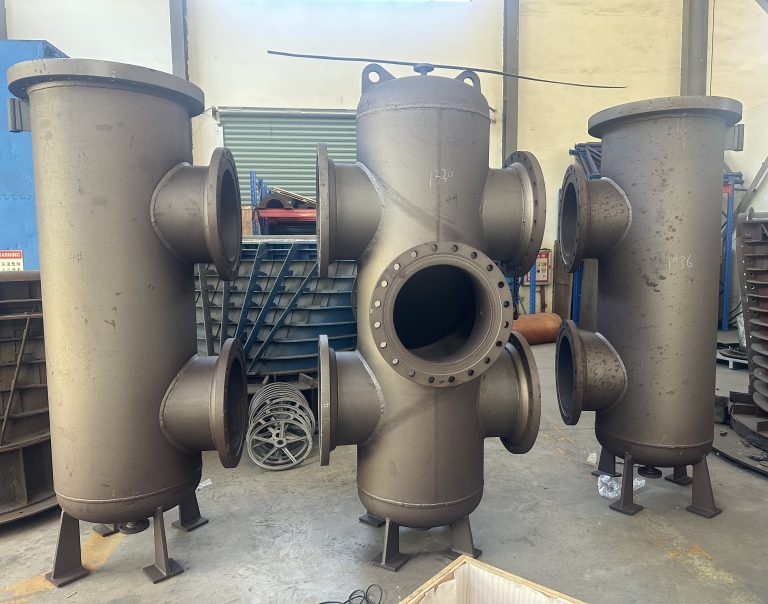
Dual Strainer vs. Single Strainer A Cost-Benefit Analysis for Industrial Plants
Discover why dual strainers beat single ones on cost and downtime in industrial plants. Expert analysis from Miwivalve.


 consult
 WHATSAPP
 leave message
 top
top